Blog
-

How Peptides Cross the Blood-Brain Barrier Naturally
The blood-brain barrier (BBB) is a highly selective semipermeable border that separates the brain from the circulatory system, protecting the…
-
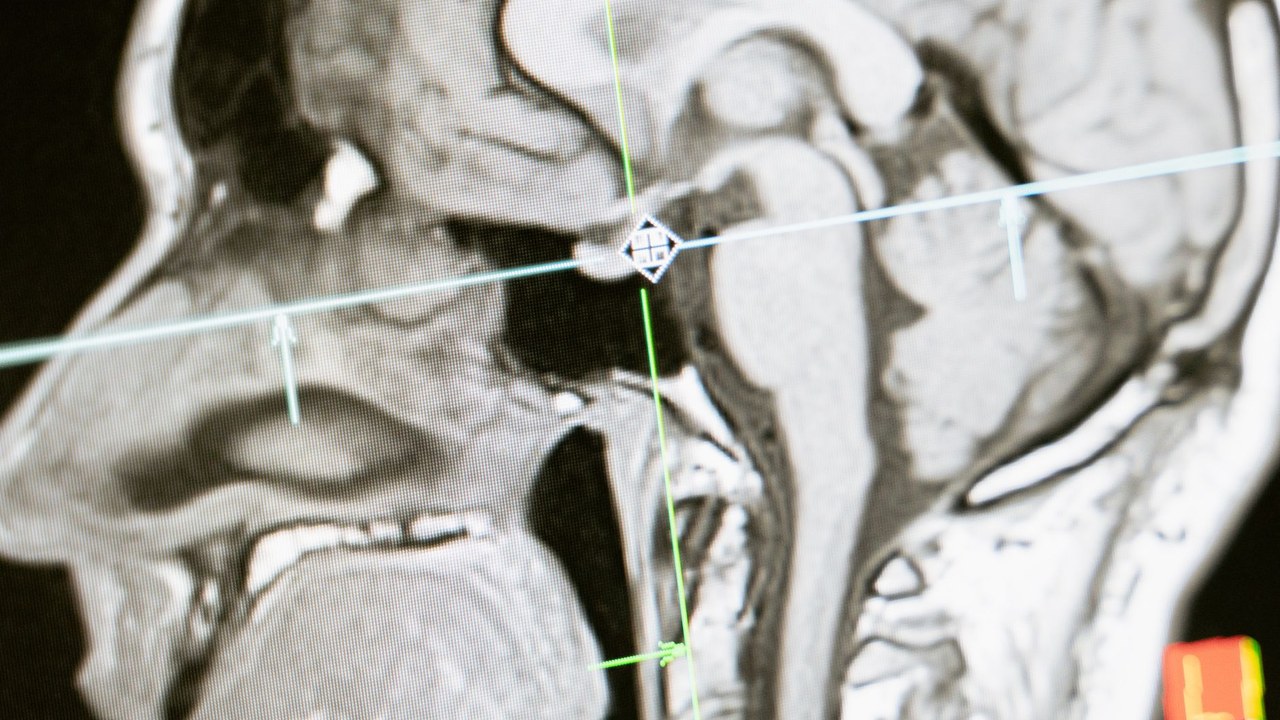
What Is Angiotensin and Its Role in Brain Function
The renin-angiotensin system (RAS) is a complex physiological pathway traditionally known for its role in regulating blood pressure and fluid…
-
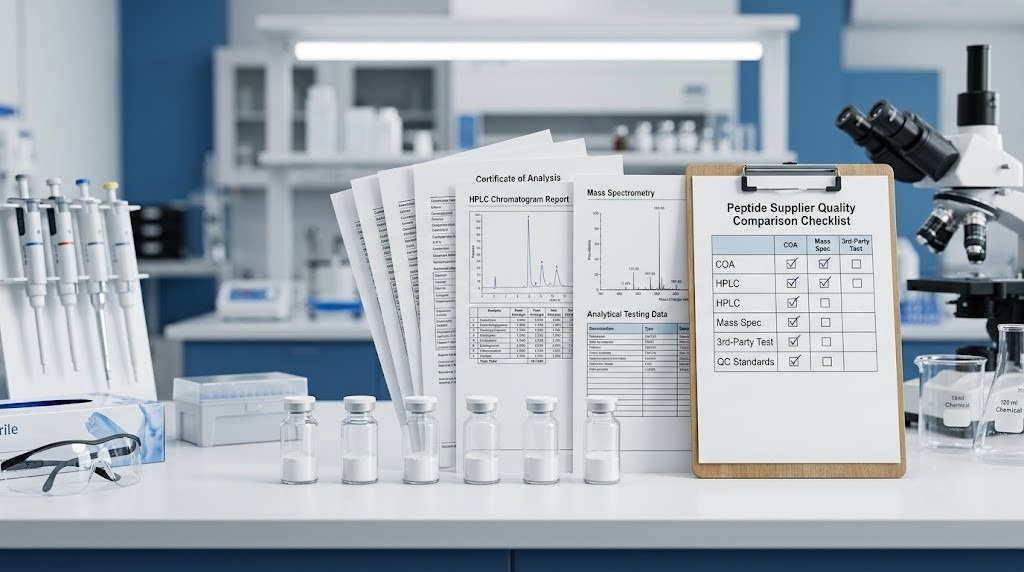
Best Research Peptide Companies Compared: Third-Party Testing, COAs & Quality Standards Explained
A vendor-neutral comparison of best research peptide companies scored on HPLC, MS, third-party testing, batch COAs, and transparency.
-

What Is Orexin and How It Controls Wakefulness
Orexin, also known as hypocretin, is a neuropeptide that plays a crucial role in regulating wakefulness and the sleep-wake cycle.…
-

How CJC-1295 Peptide Supports Brain Growth Hormone
CJC-1295, a synthetic peptide, has garnered significant attention in recent years for its potential to stimulate the pituitary gland, thereby…
-
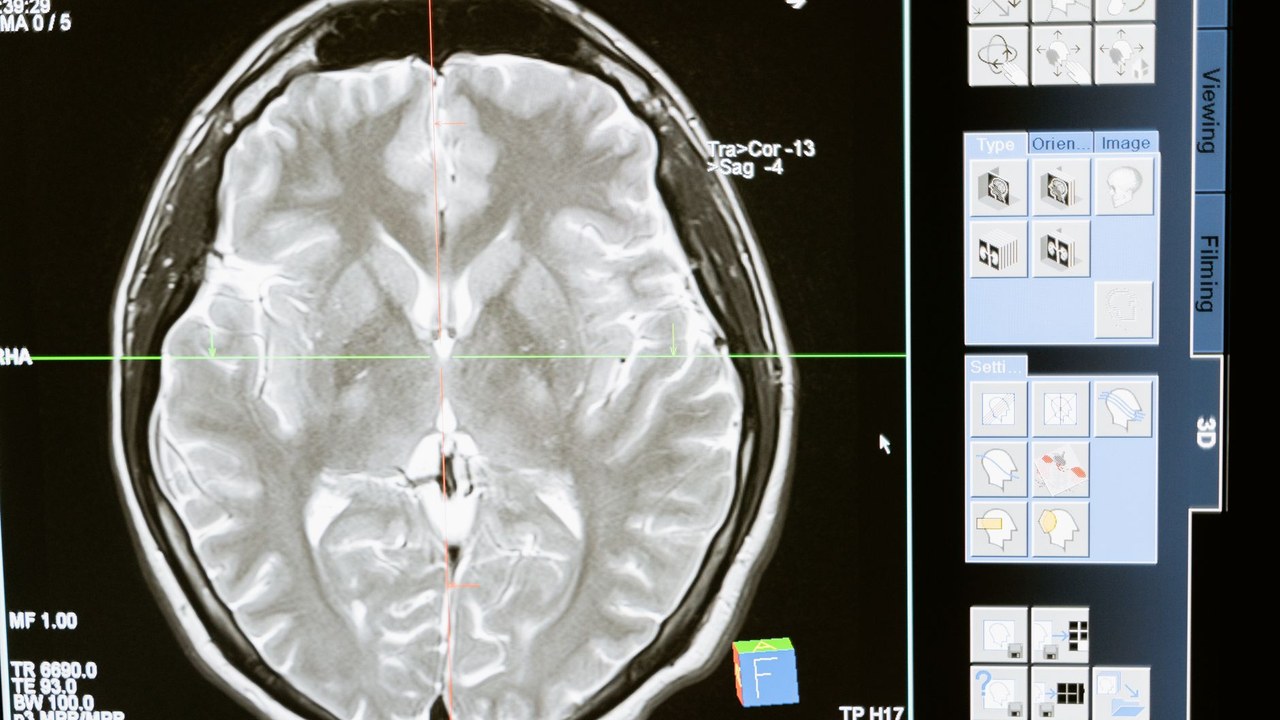
What Is Galanin Neuropeptide and Memory Loss Risk
Galanin is a neuropeptide that plays a complex role in the human brain, with significant implications for our understanding of…
-

How to Microdose Peptides for Cognitive Enhancement
Peptides have gained significant attention in recent years for their potential to enhance cognitive function, particularly in the context of…
-
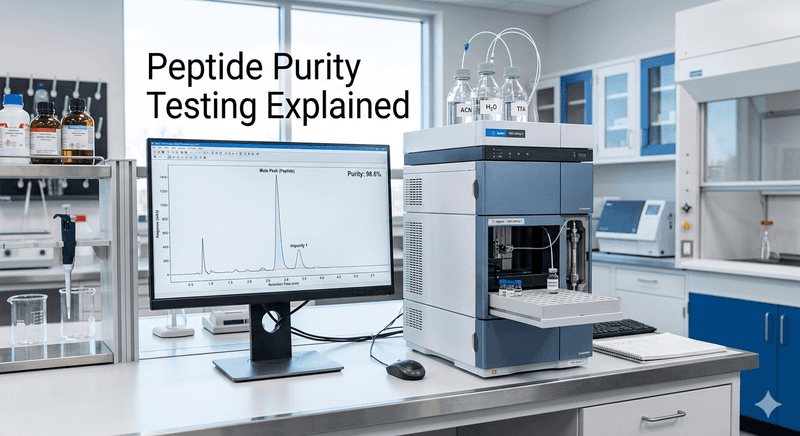
What Is Peptide Purity Testing and Why Does It Matter in Research?
Learn what peptide purity testing is, how HPLC and mass spectrometry work, and why 99%+ purity matters for accurate research…
-

Benefits of Peptides for Heart Health
Discover how ACE-inhibitory peptides, natriuretic peptides, and antioxidant peptides support blood pressure and cardiovascular wellness.
-

Best Time to Take Peptide Supplements for Maximum Benefits
Morning, evening, or with food? Learn science-backed guidance on when to take different peptide supplements to maximize bioavailability and health…