
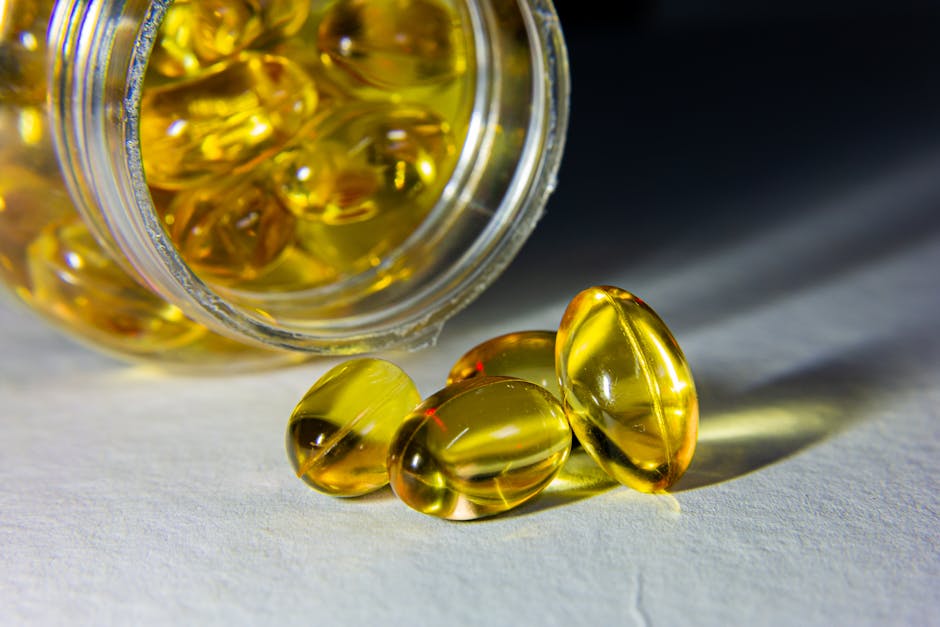
As peptide supplements gain popularity in the wellness market, safety remains a top concern for consumers. This evidence-based analysis examines the current state of peptide supplement safety, including potential side effects, drug interactions, quality considerations, and how to make informed choices.
The Safety Profile of Peptide Supplements
Peptides are naturally occurring molecules that your body produces and uses every day. Insulin, oxytocin, and endorphins are all peptides. Because peptide supplements often contain compounds similar or identical to those found naturally in food and the human body, they generally have favorable safety profiles.
However, “natural” does not automatically mean “safe for everyone.” The safety of any peptide supplement depends on several factors including the specific peptides used, dosage, manufacturing quality, and individual health status.
Potential Side Effects
Common side effects of peptide supplements are generally mild and may include:
- Digestive discomfort: Some users experience bloating, nausea, or mild stomach upset, particularly when starting supplementation
- Headaches: Occasionally reported, often resolving within the first week of use
- Skin reactions: Rare, but possible with peptides derived from allergenic sources
- Taste changes: Some peptide supplements have a distinct taste that may affect palatability
Serious adverse effects from peptide supplements are rare when products are used as directed and sourced from reputable manufacturers.
Drug Interactions
Certain peptide supplements may interact with prescription medications:
- Blood pressure medications: ACE-inhibitory peptides may enhance the effects of antihypertensive drugs
- Blood thinners: Some peptide compounds may affect platelet function
- Diabetes medications: Peptides affecting glucose metabolism may alter blood sugar levels
- Immunosuppressants: Immune-modulating peptides could potentially interfere with immunosuppressive therapy
Always inform your healthcare provider about any supplements you’re taking, especially if you’re on prescription medications.
Quality and Manufacturing Standards
The safety of a peptide supplement is heavily dependent on manufacturing quality. Here’s what to look for:
- GMP Certification: Products manufactured in GMP (Good Manufacturing Practice) certified facilities meet strict quality standards
- Third-Party Testing: Independent laboratory testing verifies purity, potency, and the absence of contaminants
- Transparent Labeling: Full ingredient disclosure with clearly stated dosages
- Reputable Brands: Established companies with verifiable quality track records
Products like TruHeart exemplify these quality standards with GMP-certified manufacturing and third-party testing protocols.
Who Should Exercise Caution
Certain populations should consult healthcare professionals before taking peptide supplements:
- Pregnant or nursing women
- Individuals under 18 years of age
- People with autoimmune conditions
- Those scheduled for surgery (some peptides may affect clotting)
- Individuals with kidney or liver disease
Choosing Between Natural and Synthetic Options
Both natural and synthetic peptides can be safe when properly manufactured. Natural peptides may have a longer safety track record, while synthetic peptides offer greater precision and consistency. Your choice should depend on your specific health goals and any sensitivities you may have.
The Bottom Line
Peptide supplements are generally safe for healthy adults when sourced from quality manufacturers and used as directed. The key to safe supplementation is choosing reputable products, following recommended dosages, and maintaining open communication with your healthcare provider.
Frequently Asked Questions
Are peptide supplements FDA approved?
Peptide supplements are regulated as dietary supplements, not drugs, so they don’t require FDA approval before sale. However, they must comply with FDA regulations for dietary supplements, including Good Manufacturing Practices.
Can peptide supplements cause allergic reactions?
Yes, peptides derived from common allergens like dairy, soy, or shellfish may trigger allergic reactions in sensitive individuals. Always check ingredient labels and allergen warnings.
Do peptides have long-term side effects?
Long-term studies on most peptide supplements are limited. Currently available evidence suggests that common peptide supplements like collagen peptides are safe for extended use, but ongoing research is needed.