Reconstituting Peptides: A Step-by-Step Guide
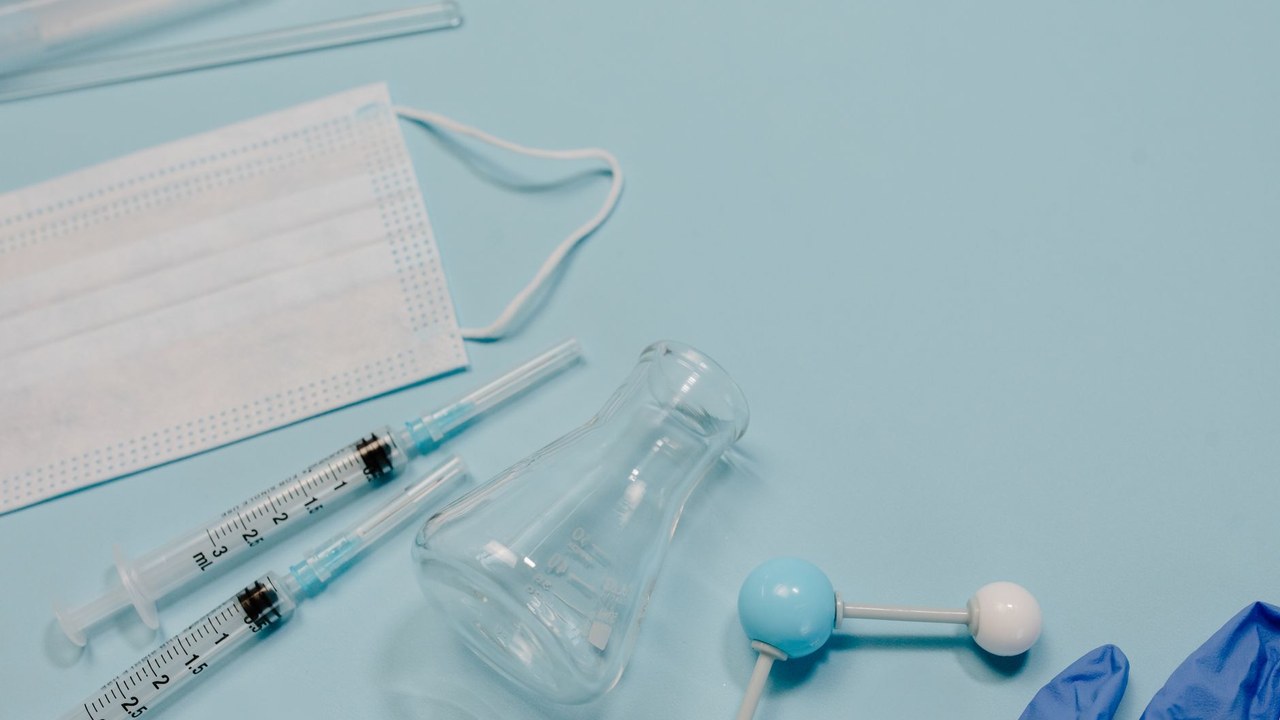
Peptides, the short chains of amino acids that play crucial roles in cellular communication and bodily functions, have garnered significant attention in the fields of anti-aging, cardiovascular health, and performance enhancement. Their therapeutic potential is vast, ranging from improving metabolic health to supporting tissue repair. However, to harness these benefits, understanding the proper handling and reconstitution of lyophilized (freeze-dried) peptides is paramount. Lyophilization is a common preservation method that extends the shelf-life of peptides by removing water, but it requires specific steps to return them to their active, soluble form. This guide will walk you through the evidence-based process of reconstituting peptides, ensuring their stability, potency, and efficacy.
The journey from a fragile lyophilized powder to a bioavailable therapeutic agent involves meticulous attention to detail. Incorrect reconstitution can lead to degraded peptides, reduced effectiveness, and even potential contamination. As research into peptide therapeutics continues to expand, with studies like those examining the cardiovascular benefits of certain peptides (e.g., angiotensin II receptor blockers which are peptide-based) or the role of growth hormone-releasing peptides in muscle synthesis, the precision in their preparation becomes increasingly critical for reliable outcomes. This post aims to demystify the process, providing clear, actionable steps grounded in scientific best practices.
Understanding Lyophilized Peptides and Bacteriostatic Water
Lyophilization, or freeze-drying, is a process that removes water from a substance while it is in a frozen state, typically under vacuum. This method is highly effective for preserving the structural integrity and biological activity of sensitive molecules like peptides. The resulting product is a fine, fluffy powder that is shelf-stable at room temperature or under refrigeration for extended periods. However, this dehydrated state renders the peptide inactive and unusable until it is dissolved in a suitable liquid medium.
The choice of diluent is crucial. For most peptides intended for injection, bacteriostatic water for injection (BWFI) is the gold standard. Bacteriostatic water contains 0.9% benzyl alcohol, which acts as a bacteriostatic agent, preventing the growth of bacteria once the vial has been opened and accessed multiple times. This is essential for maintaining the sterility of the solution over its intended shelf-life. Regular sterile water for injection does not contain this preservative and should ideally be used for single-dose applications or if the peptide is intended for oral consumption or topical use, where bacterial contamination poses less of a risk (though sterility is still paramount).
It’s important to note that some peptides may have specific reconstitution requirements outlined by the manufacturer or as indicated in scientific literature. For example, certain peptides might be more stable in slightly acidic or alkaline solutions. Always consult the product information or relevant research papers for specific instructions. However, for general purposes, BWFI is the most common and recommended diluent.
The Reconstitution Process: Step-by-Step Guide
The process of reconstituting lyophilized peptides is relatively straightforward but requires a sterile technique to prevent contamination. Adhering to these steps will help preserve the integrity and potency of your peptide.
- Gather your supplies: You will need the lyophilized peptide vial, a sterile vial of bacteriostatic water (or other specified diluent), sterile syringes (typically 1ml or 3ml), sterile needles (appropriate gauge for drawing up and injecting, e.g., 25-30 gauge for drawing, 30-31 gauge for injection), and sterile alcohol swabs.
- Prepare your workspace: Ensure you are in a clean, well-lit area, free from drafts or excessive dust. Wash your hands thoroughly with soap and water and dry them completely.
- Sterilize the vial tops: Use an alcohol swab to thoroughly clean the rubber stoppers of both the peptide vial and the bacteriostatic water vial. Allow them to air dry completely.
-
Draw up the diluent:
- Uncap a sterile syringe and attach a sterile needle.
- Gently draw air into the syringe, equal to the amount of bacteriostatic water you intend to use. This is important for creating positive pressure in the diluent vial, making it easier to draw out the liquid.
- Insert the needle into the bacteriostatic water vial through the rubber stopper. Invert the vial and inject the air into the vial.
- Withdraw the desired amount of bacteriostatic water into the syringe. For example, if you want to reconstitute a 10mg vial of peptide with 2ml of water, draw up 2ml of bacteriostatic water.
- Carefully remove the needle from the vial.
-
Reconstitute the peptide:
- Remove the protective cap from the lyophilized peptide vial.
- Insert the needle attached to the syringe containing the bacteriostatic water into the peptide vial.
- Slowly and gently inject the bacteriostatic water into the peptide vial, aiming it towards the side of the vial to minimize direct impact on the powder.
- Remove the needle and syringe from the vial.
- Mix the solution: Gently swirl the peptide vial between your hands. Do NOT shake vigorously, as this can denature the peptide and introduce air bubbles, making accurate dosing difficult. The powder should dissolve completely within a few minutes, forming a clear solution. If any powder remains undissolved, gently swirl again.
- Label and store: Once fully dissolved, cap the peptide vial with its original stopper (or a new sterile stopper if provided). Label the vial with the peptide name, concentration (e.g., X mg/ml or Y mcg/iu per ml), and the date of reconstitution. Store the reconstituted peptide in the refrigerator (typically 2-8°C or 36-46°F) unless otherwise specified.
Determining Peptide Concentration and Dosage
The concentration of your reconstituted peptide is directly dependent on the amount of diluent used and the initial quantity of the peptide. For example, if you have a 10mg vial of a peptide and reconstitute it with 2ml of bacteriostatic water, the final concentration is 5mg per ml (10mg / 2ml = 5mg/ml). If you were to use 5ml of bacteriostatic water, the concentration would be 2mg per ml (10mg / 5ml = 2mg/ml).
Accurate dosage calculation is crucial, especially when dealing with potent peptides used in therapeutic contexts. Once you know the concentration (e.g., 5mg/ml), you can determine the volume needed for a specific dose. For instance, if your prescribed dose is 1mg, and your peptide is at 5mg/ml, you would need 0.2ml of the solution (1mg / 5mg/ml = 0.2ml). This is where insulin syringes, marked in units, become invaluable. An insulin syringe’s markings allow for precise measurement. A common conversion is 1ml = 100 units on an insulin syringe, but this can vary depending on the syringe’s total volume (e.g., 100-unit, 50-unit, or 30-unit syringes). Always verify the unit conversion for your specific syringe.
It’s vital to remember that peptide dosages are highly individualized and depend on various factors, including the specific peptide, its intended use, individual physiology, and therapeutic goals. Self-prescribing or altering dosages without professional guidance can be risky. Always consult with a qualified healthcare professional or an endocrinologist experienced in peptide therapy to determine the appropriate peptide, dosage, and administration route for your specific needs. Research on the pharmacokinetics and pharmacodynamics of various peptides, such as those affecting insulin sensitivity, highlights the importance of precise dosing for achieving desired metabolic outcomes.
Stability and Shelf-Life of Reconstituted Peptides
Once reconstituted, the stability of a peptide is significantly reduced compared to its lyophilized form. The presence of water and the removal of the protective freeze-dried environment make it more susceptible to degradation. Generally, reconstituted peptides stored in the refrigerator (2-8°C) are considered stable for:
- 28-30 days for most common peptides when reconstituted with bacteriostatic water.
- Some peptides may have longer or shorter recommended shelf-lives. Always refer to the manufacturer’s guidelines or specific scientific literature for the peptide you are using.
Factors that can accelerate peptide degradation include:
- Temperature fluctuations: Repeatedly taking the peptide out of and returning it to the refrigerator, or prolonged exposure to room temperature, can compromise its stability.
- Exposure to light: While not as critical as temperature, prolonged exposure to direct sunlight or strong artificial light can also contribute to degradation. Storing the vial in its original packaging or in a dark place within the refrigerator is advisable.
- pH of the diluent: While bacteriostatic water is generally neutral and well-tolerated, extreme pH levels can impact peptide stability.
- Physical agitation: Vigorous shaking can cause denaturation.
It is crucial to discard any reconstituted peptide solution that appears cloudy, discolored, or contains particulate matter. These are signs of potential contamination or degradation, rendering the peptide unsafe and ineffective.
Frequently Asked Questions
What is the best diluent for reconstituting peptides?
For most peptides intended for injection, bacteriostatic water for injection (BWFI), which contains 0.9% benzyl alcohol, is recommended. This preservative prevents bacterial growth. For non-injectable applications or single-dose use, sterile water for injection may be used, but BWFI is generally preferred for multi-use vials.
Can I use regular sterile water instead of bacteriostatic water?
You can, but it is generally not recommended for multi-use vials. Regular sterile water lacks a preservative and, once the vial is punctured, it can become a breeding ground for bacteria, posing an infection risk. If you use sterile water for injection, the reconstituted peptide should ideally be used immediately or within a very short timeframe and stored as per specific instructions for sterile, non-preserved solutions.
How much bacteriostatic water should I use?
The amount of bacteriostatic water to use depends on the desired concentration of your reconstituted peptide and the total peptide content in the vial. A common practice is to use 1ml or 2ml for smaller vials (e.g., 1-5mg) to achieve a manageable concentration for dosing. Always consult product information or a healthcare provider for specific recommendations.
How long is a reconstituted peptide good for?
Typically, reconstituted peptides stored in the refrigerator (2-8°C) are stable for approximately 28-30 days. However, this can vary significantly depending on the specific peptide. Always check the manufacturer’s guidelines or relevant scientific literature for the precise shelf-life of the peptide you are using.
What should I do if my peptide doesn’t dissolve?
Gently swirl the vial between your hands. If the powder does not dissolve after a few minutes of gentle swirling, you can try to swirl for a little longer. Avoid shaking vigorously, as this can damage the peptide. If it still doesn’t dissolve, the peptide may be compromised or expired. Contact your supplier or healthcare provider.
Frequently Asked Questions
Dr. Rachel Simmons, PharmD
Health Science Editor
Dr. Simmons is a licensed pharmacist and health science writer with over 12 years of experience in nutraceutical research. She specializes in peptide therapeutics and evidence-based supplement evaluation.