Peptides for Skin: The Ultimate Guide to What They Do
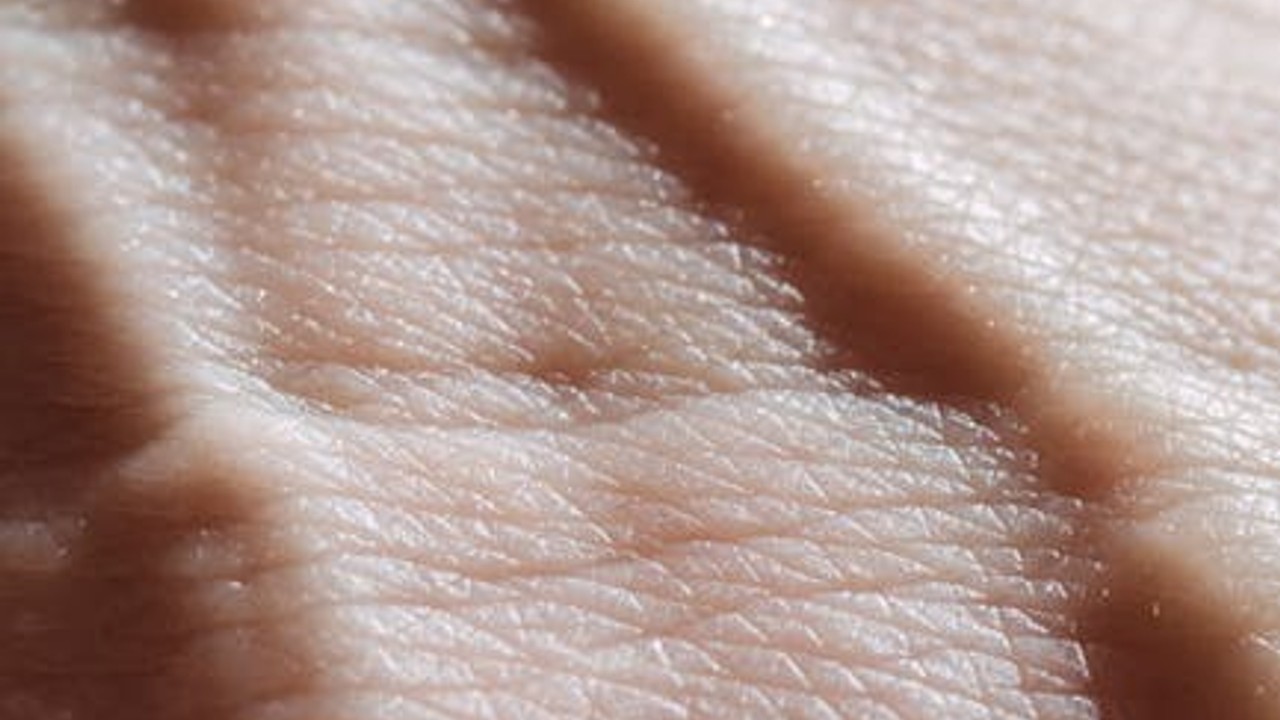
In the ever-evolving landscape of skincare, peptides have emerged as a star ingredient, lauded for their profound ability to rejuvenate and revitalize the skin. Far from being just another buzzword, these short chains of amino acids are the fundamental building blocks of proteins like collagen and elastin, essential for maintaining skin’s structure, elasticity, and youthful appearance. As we age, our bodies produce fewer of these vital proteins, leading to visible signs of aging such as wrinkles, fine lines, and sagging. Peptides offer a scientifically backed solution, acting as signaling molecules that can instruct the skin to boost its own collagen production, repair damage, and improve overall skin health.
Understanding what peptides do for skin involves delving into their specific mechanisms of action. They are essentially the messengers of the skin, capable of initiating a cascade of beneficial processes. From stimulating collagen synthesis to reducing inflammation and enhancing barrier function, peptides are multifaceted powerhouses in the pursuit of healthier, more youthful-looking skin. This exploration will illuminate the diverse roles peptides play, supported by scientific evidence, and how they can be effectively incorporated into your skincare regimen.
The Cellular Communicators: How Peptides Signal Youthfulness
At their core, peptides are short sequences of amino acids, the fundamental units that build proteins. Think of them as small pieces of larger protein structures. When it comes to skin, the most critical proteins are collagen and elastin. Collagen provides the skin with its firmness and structure, while elastin gives it the ability to stretch and bounce back. As we age, or due to environmental stressors like UV radiation and pollution, the production of collagen and elastin declines, leading to the formation of wrinkles, loss of firmness, and a duller complexion. This is where peptides shine. Unlike larger molecules that may struggle to penetrate the skin’s protective barrier, peptides are small enough to be absorbed and can then act as signaling molecules.
These signaling capabilities are incredibly diverse. For instance, signal peptides, also known as stimulatory peptides, can mimic the natural breakdown products of collagen or elastin. When these fragments are detected by skin cells, they signal that damage has occurred and that new collagen or elastin needs to be produced to repair it. This effectively “tricks” the skin into ramping up its own natural regenerative processes. Studies have shown that topical application of certain peptide sequences can lead to a significant increase in collagen synthesis. For example, a study published in the International Journal of Cosmetic Science demonstrated that a specific pentapeptide (a peptide made of five amino acids) could increase collagen type I production by up to 117% in laboratory settings. This direct stimulation of collagen production is a primary reason why peptides are so effective at reducing the appearance of fine lines and wrinkles, leading to smoother, plumper-looking skin.
Beyond Collagen: Multifaceted Benefits for Skin Health
While stimulating collagen production is a major benefit, the role of peptides in skincare extends much further. Different types of peptides are designed to target various pathways within the skin, offering a comprehensive approach to skin rejuvenation and protection. One such category is enzyme-inhibitor peptides. These peptides work by inhibiting enzymes that are responsible for the degradation of collagen and elastin. For instance, they can block the action of matrix metalloproteinases (MMPs), a group of enzymes that break down extracellular matrix components, including collagen. By inhibiting MMPs, these peptides help to preserve the existing collagen and elastin in the skin, thereby slowing down the aging process and preventing the formation of new wrinkles.
Another crucial function of peptides is their ability to influence neurotransmitters, leading to an effect similar to that of topical Botox. These are often referred to as neurotransmitter-inhibiting peptides or “Botox-like” peptides. They work by inhibiting the release of acetylcholine, a neurotransmitter that signals muscles to contract. By reducing muscle contractions, these peptides can help to relax the facial muscles responsible for dynamic wrinkles (those formed by repeated expressions, like frown lines or crow’s feet). This can lead to a noticeable softening of these wrinkles without the need for invasive procedures. Clinical trials have supported these effects, with some studies showing a reduction in wrinkle depth of up to 30% after consistent use of specific peptide formulations targeting muscle contraction.
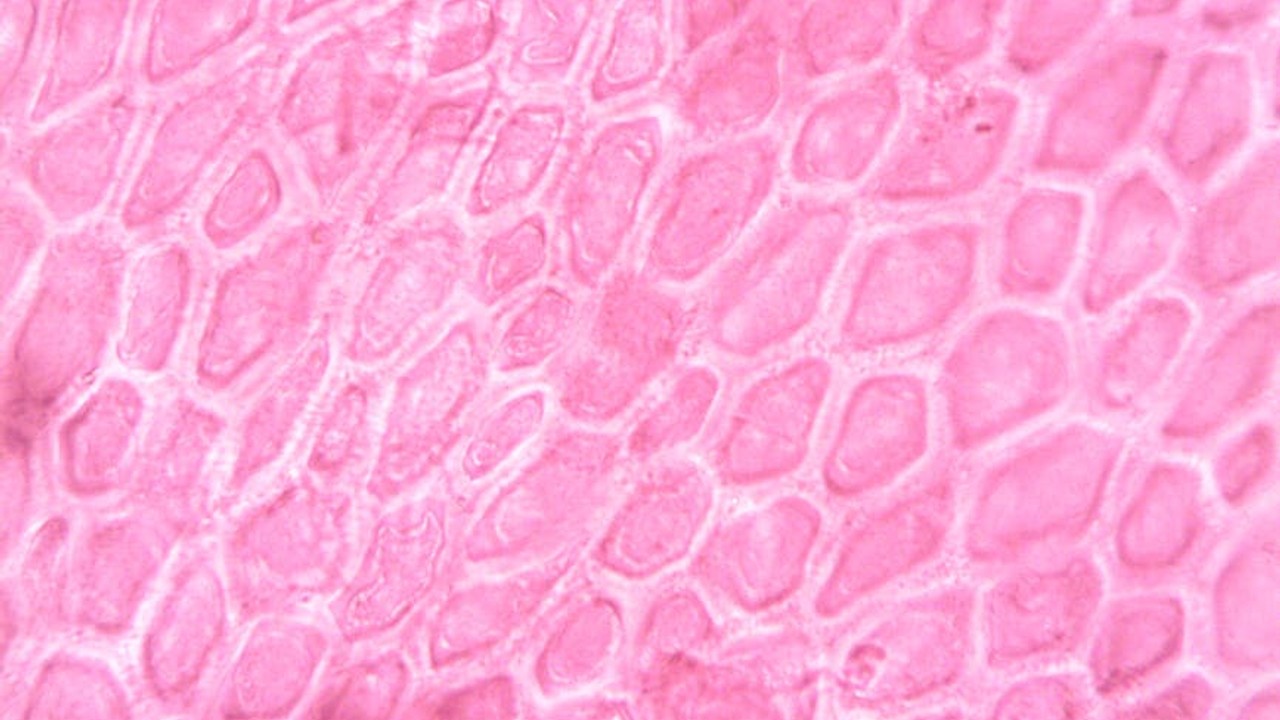
Furthermore, certain peptides possess anti-inflammatory and antimicrobial properties. Chronic inflammation is a significant contributor to premature aging and can exacerbate skin conditions like acne and rosacea. Peptides can help to calm the skin by modulating the inflammatory response, reducing redness and irritation. Antimicrobial peptides are also being explored for their ability to combat acne-causing bacteria, offering a gentler alternative to traditional treatments. The intricate signaling network that peptides facilitate also extends to enhancing the skin’s natural barrier function. A compromised skin barrier can lead to increased sensitivity, moisture loss, and vulnerability to environmental aggressors. Peptides can support the repair and strengthening of this barrier, leading to more resilient and hydrated skin.
Targeting Specific Concerns: From Hyperpigmentation to Firmness
The versatility of peptides allows them to be formulated to address a wide array of specific skin concerns. For those battling uneven skin tone and hyperpigmentation, brightening peptides, such as those containing nonapeptide-1, can be particularly effective. These peptides work by inhibiting the production of melanin, the pigment responsible for skin color, thereby helping to fade dark spots, age spots, and post-inflammatory hyperpigmentation. Research has indicated that certain peptide sequences can reduce tyrosinase activity, the key enzyme in melanin production, leading to a more uniform and luminous complexion.
For individuals seeking to restore a more lifted and toned appearance, peptides that promote firmness and elasticity are paramount. Beyond the general collagen-boosting peptides, specific formulations may include peptides that support the production of other crucial skin components like fibronectin and glycosaminoglycans (GAGs), which are vital for maintaining skin’s structural integrity and hydration. Studies have demonstrated that synergistic combinations of different peptide types can yield superior results in improving skin firmness and reducing the appearance of sagging. For instance, a clinical study evaluating a multi-peptide serum reported a significant improvement in skin elasticity and a reduction in sagging by over 15% after 12 weeks of use.
Moreover, peptides are increasingly being investigated for their role in supporting the skin’s natural healing processes. Growth factor-releasing peptides, for example, can stimulate the skin’s ability to repair itself, making them beneficial for improving the appearance of scars and promoting overall skin regeneration. Their ability to accelerate cell turnover and enhance the synthesis of new tissue contributes to a smoother, more refined skin texture. The cumulative effect of these targeted actions means that peptides are not just treating the symptoms of aging but are actively working at a cellular level to restore and maintain skin health and vitality.
Frequently Asked Questions
What are the different types of peptides used in skincare?
There are several categories of peptides used in skincare, including: Signal peptides (stimulate collagen/elastin production), Enzyme-inhibitor peptides (prevent collagen/elastin breakdown), Neurotransmitter-inhibiting peptides (relax facial muscles to reduce dynamic wrinkles), Carrier peptides (deliver trace elements like copper to support healing), and Brightening peptides (inhibit melanin production).
How long does it take to see results from peptide skincare?
The timeline for seeing results can vary depending on the specific peptide, the formulation, the concentration, and individual skin type and concerns. Generally, most users begin to notice subtle improvements within 4-8 weeks of consistent daily use. More significant changes, such as a noticeable reduction in wrinkle depth or improved firmness, may take 12 weeks or longer to become apparent.
Are peptides safe for all skin types?
Yes, peptides are generally considered safe and well-tolerated for most skin types, including sensitive skin. They are naturally occurring substances in the body. However, as with any new skincare product, it’s always recommended to perform a patch test before applying it to your entire face, especially if you have a history of skin sensitivities or allergies.
Can peptides be used with other active ingredients?
Peptides are highly compatible with most other skincare ingredients, including retinoids, vitamin C, hyaluronic acid, and ceramides. In fact, combining peptides with these ingredients can often lead to synergistic results, enhancing overall skin health and anti-aging benefits. For instance, pairing peptides with vitamin C can boost collagen synthesis, while combining them with hyaluronic acid can improve hydration.
What is the difference between peptides and proteins in skincare?
Proteins are large molecules made up of long chains of amino acids. Peptides are shorter chains of amino acids, making them smaller and more easily able to penetrate the skin’s surface. While proteins may sit on the skin’s surface and provide hydration or a temporary tightening effect, peptides can penetrate deeper and act as signaling molecules, prompting the skin to perform specific functions like producing more collagen.
Frequently Asked Questions
Dr. Rachel Simmons, PharmD
Health Science Editor
Dr. Simmons is a licensed pharmacist and health science writer with over 12 years of experience in nutraceutical research. She specializes in peptide therapeutics and evidence-based supplement evaluation.