Peptides and Cancer Risk: What You Need to Know

The world of peptides is one of immense promise, offering potential breakthroughs in areas ranging from athletic performance and wound healing to cardiovascular health and anti-aging. These short chains of amino acids are the building blocks of proteins and play crucial roles in nearly every biological process. However, as with any powerful biological modulator, questions arise about their safety, particularly concerning the development of cancer. This article delves into the scientific evidence to address the critical question: can peptides cause cancer?
It’s crucial to understand that peptides are not a monolithic entity. They encompass a vast array of molecules with diverse functions. Therefore, a blanket statement about peptides causing cancer is an oversimplification. The answer lies in the specific type of peptide, its intended biological function, dosage, purity, and the individual’s biological context. We will explore the mechanisms by which certain peptides might theoretically influence cancer development and review what current research indicates.
Understanding Peptides and Cellular Regulation
Peptides are fundamental to life. They act as signaling molecules, hormones, neurotransmitters, and even antimicrobial agents. For instance, insulin, a well-known peptide hormone, regulates blood sugar. Melatonin, another peptide, influences sleep-wake cycles. In the realm of anti-aging and performance, peptides like BPC-157 are studied for their regenerative properties, while others, such as those mimicking growth hormone, aim to enhance muscle synthesis.
The relationship between cellular growth and cancer is intrinsically linked. Cancer is characterized by uncontrolled cell proliferation. Some peptides, by their very nature, can influence cell growth, division, and survival. For example, growth factors, which are often peptide-based, are known to stimulate cell proliferation. In a healthy individual, these processes are tightly regulated. However, in the context of existing genetic mutations or cellular dysregulation that predisposes to cancer, a peptide that promotes cell growth could theoretically accelerate the progression of a nascent tumor.
This is where the distinction between therapeutic peptides and their potential misuse or uncontrolled application becomes important. When peptides are synthesized and administered, their purity and intended biological targets are paramount. Contamination or off-target effects could introduce risks. Furthermore, the body’s natural regulatory pathways are designed to prevent uncontrolled growth. Most peptide therapies aim to restore or enhance these natural regulatory functions, not to bypass them.
The Scientific Landscape: Evidence and Concerns
The direct evidence linking *most* therapeutic or commonly used peptides to cancer initiation or promotion in humans is sparse and often lacks strong causal links. Research into the carcinogenic potential of peptides primarily focuses on two areas: peptides that naturally influence cell growth and peptides used in therapeutic contexts.
Growth Factors and Their Analogs: Peptides that act as growth factors, such as Epidermal Growth Factor (EGF) or Insulin-like Growth Factor 1 (IGF-1), are essential for normal development and tissue repair. However, dysregulation of these pathways is implicated in many cancers. Elevated levels of IGF-1, for instance, have been associated with an increased risk of certain cancers, including prostate, breast, and colorectal cancer, as reported in studies published in journals like the *Journal of the National Cancer Institute*. This association is complex, likely involving interactions with other genetic and environmental factors, and doesn’t mean IGF-1 *causes* cancer on its own, but rather that it can contribute to the growth of existing cancerous cells in a susceptible environment.
Some peptides used in performance enhancement or anti-aging research are designed to mimic or stimulate the action of these natural growth factors. While their intent is often to promote muscle growth or tissue repair, concerns arise if these peptides are used at supraphysiological doses or for prolonged periods without adequate oversight. The overarching concern is that they might inadvertently fuel the growth of undetected or developing tumors by providing a pro-growth environment. However, robust clinical trials demonstrating a direct oncogenic effect from these specific peptide applications in humans are largely absent. Much of the concern is extrapolated from our understanding of cancer biology and the known roles of growth factors.
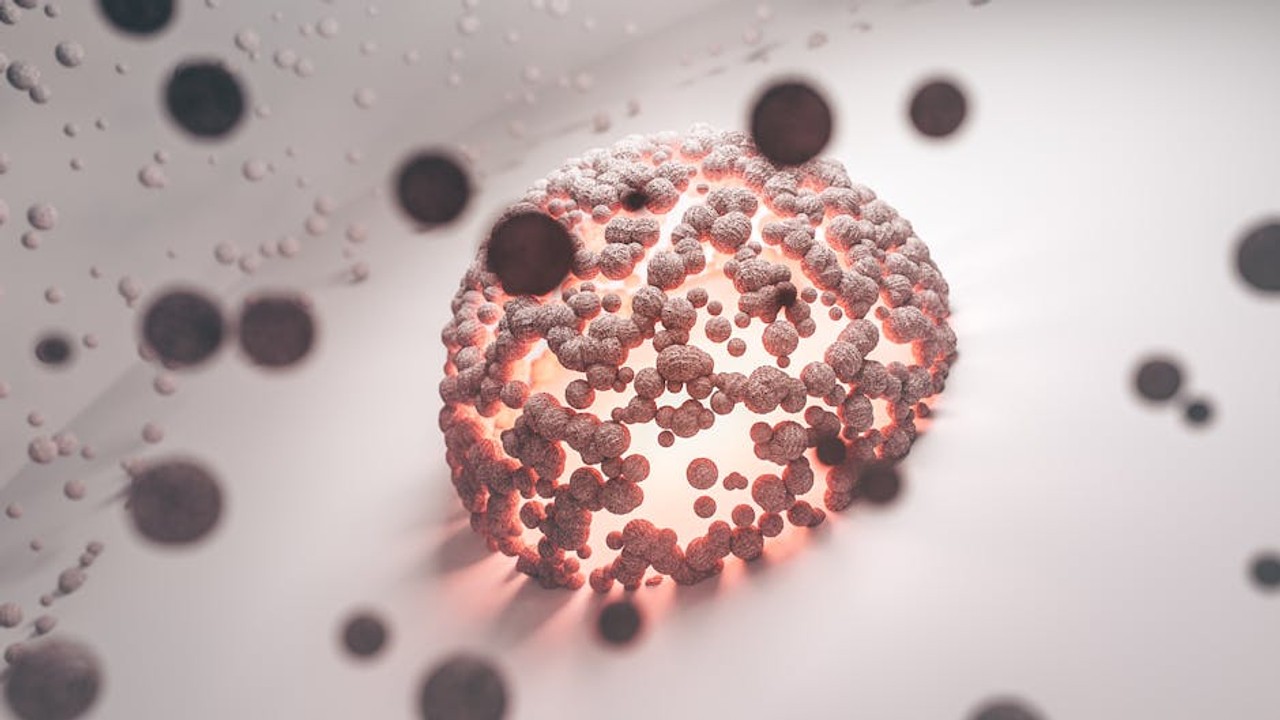
Therapeutic Peptides and Cancer Prevention/Treatment: Conversely, there is significant research exploring peptides for their potential in cancer prevention and treatment. For example, some peptides have demonstrated anti-angiogenic properties, inhibiting the formation of new blood vessels that tumors need to grow. Others have shown direct cytotoxic effects on cancer cells or the ability to modulate the immune system to fight cancer. Examples include certain naturally occurring antimicrobial peptides that exhibit selective toxicity towards cancer cells, and synthetic peptides designed to target cancer-specific markers.
The therapeutic peptide research landscape is actively exploring peptides that could potentially *reduce* cancer risk or act as adjunct therapies. Studies on peptides like Dihexa, which has shown promise in cognitive enhancement and potential neuroprotective effects, also touch upon cellular signaling pathways that could theoretically influence cell health. However, direct evidence for such peptides causing cancer is not a prominent finding in the literature. Rather, the research tends to focus on their safety profile and therapeutic efficacy.
Regulatory Oversight and Purity Concerns
A significant factor in the safety of any peptide, whether therapeutic or for personal use, is its regulatory status and manufacturing purity. The field of peptide research and application is still evolving, and not all peptides are approved for human use by major regulatory bodies like the FDA or EMA. Many peptides available on the market, especially those marketed for anti-aging or performance enhancement, fall into a grey area, often sold as “research chemicals.”
The lack of rigorous clinical trials and stringent regulatory oversight for these substances raises concerns about their safety and efficacy. Inconsistent manufacturing standards can lead to:
- Impurities: The presence of contaminants, including heavy metals, residual solvents, or other uncharacterized biological materials, could pose health risks, including potential carcinogenicity.
- Incorrect Dosage: Without standardized formulations, users might unknowingly consume doses that are too high or too low, increasing the risk of adverse effects.
- Unintended Biological Activity: Peptides synthesized without precise quality control might exhibit unintended biological activities that could be detrimental.
For instance, studies investigating the safety of compounded peptides have sometimes revealed discrepancies in the active ingredient’s concentration or the presence of unwanted byproducts. These issues are not inherent to the peptide molecule itself but rather to the manufacturing and supply chain processes. Therefore, it is critically important for individuals considering peptide use to source them from reputable, cGMP (current Good Manufacturing Practices) compliant manufacturers, ideally under the guidance of a qualified healthcare professional.
The Importance of Context and Individual Biology
The interaction between any substance and the human body is highly individualized. Factors such as genetics, existing health conditions, lifestyle, and the presence of other medications or supplements all play a role in how a peptide might affect an individual. For someone with a predisposition to cancer, a pro-proliferative peptide, even at a moderate dose, might have a different impact compared to a perfectly healthy individual.
Conversely, peptides that support healthy cellular repair and function, such as those involved in DNA repair or antioxidant defense, could potentially contribute to cancer prevention. For example, certain signaling peptides are crucial for maintaining cellular homeostasis and preventing the accumulation of damage that can lead to mutations. Research into peptides like Thymosin Beta-4 (TB-500), which is involved in cell migration, repair, and inflammation control, primarily focuses on its regenerative benefits and safety profile, with no established links to cancer causation.
The overwhelming scientific consensus, based on current evidence, is that most peptides do not cause cancer. The concern arises primarily from our understanding of how certain naturally occurring peptides regulate cell growth and the potential for exogenous peptides, especially those with less stringent quality control or used at supraphysiological doses, to interfere with these delicate biological processes. The emphasis should always be on scientific rigor, understanding specific peptide mechanisms, regulatory compliance, and individual health assessments.
Frequently Asked Questions
Is there any direct scientific evidence that common anti-aging peptides cause cancer?
Direct, robust scientific evidence demonstrating that common anti-aging peptides like BPC-157, CJC-1295, or Ipamorelin cause cancer in humans is largely absent. While concerns exist regarding peptides that influence growth pathways, these are often theoretical or based on extrapolation from the known roles of growth factors in cancer. Rigorous clinical trials are needed to establish any causal links.
What are the biggest safety concerns associated with using peptides not approved by regulatory bodies?
The biggest safety concerns include impurities, inconsistent and potentially dangerous dosages, and the risk of unintended biological activity. Lack of regulatory oversight means manufacturing standards may not be met, leading to contamination with harmful substances or incorrect concentrations of the active peptide, which could have unpredictable health consequences, including potential carcinogenic risks.
Can peptides be used to *prevent* or *treat* cancer?
Yes, research is actively exploring peptides for their potential in cancer prevention and treatment. Some peptides have shown anti-cancer properties, such as inhibiting tumor growth, promoting cancer cell death, or enhancing immune responses against cancer. However, these are specific therapeutic applications currently under investigation.
How important is the purity and source of peptides when considering their safety?
Purity and source are extremely important. Contaminated or improperly synthesized peptides can pose significant health risks, entirely separate from the peptide’s intended biological function. Sourcing peptides from reputable, cGMP-compliant manufacturers under the guidance of a healthcare professional is crucial to minimize risks associated with impurities and incorrect dosages.
Are peptides that stimulate cell growth inherently dangerous in terms of cancer risk?
Peptides that stimulate cell growth, like growth hormone secretagogues or certain growth factors, carry a theoretical risk of accelerating the growth of existing, undetected cancerous cells, especially when used at supraphysiological doses or for prolonged periods. However, in a healthy individual, the body’s regulatory mechanisms are designed to control cell proliferation. The risk is context-dependent and not an inherent danger for all such peptides.
Frequently Asked Questions
Dr. Rachel Simmons, PharmD
Health Science Editor
Dr. Simmons is a licensed pharmacist and health science writer with over 12 years of experience in nutraceutical research. She specializes in peptide therapeutics and evidence-based supplement evaluation.