Peptides & Drug Tests: What You Need to Know
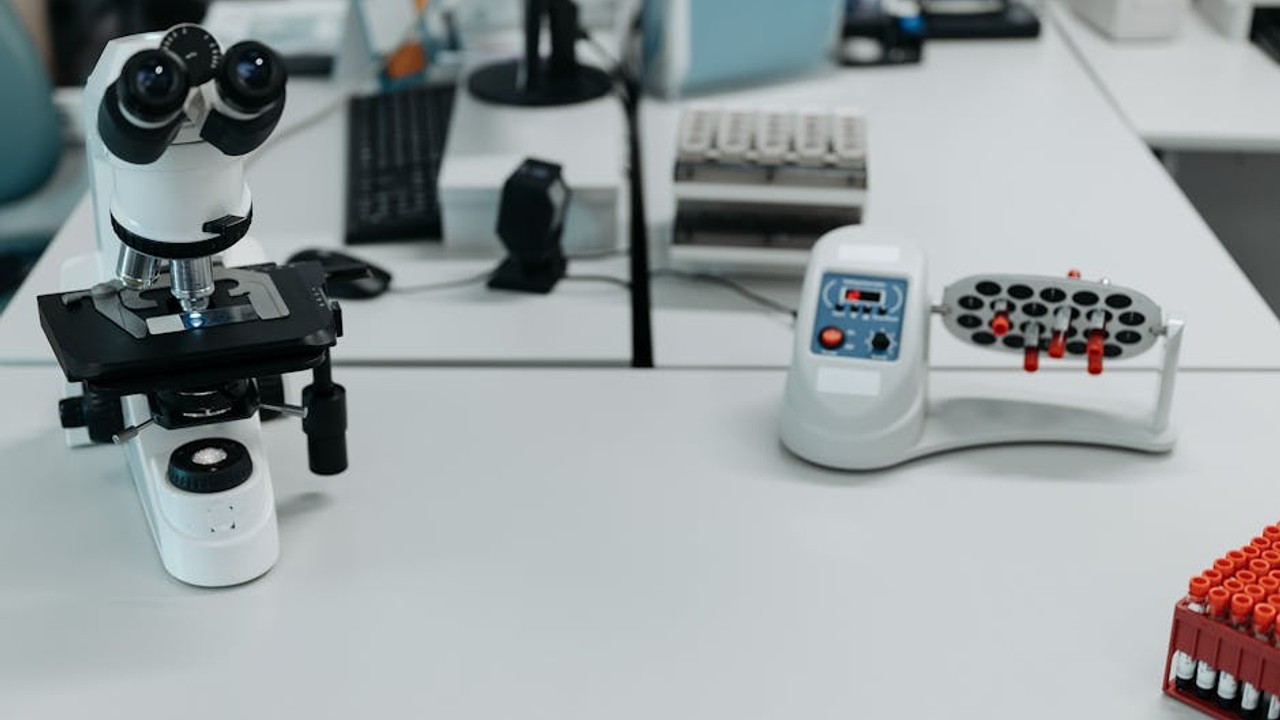
The world of peptides is rapidly expanding, offering exciting possibilities in areas ranging from cardiovascular health and anti-aging to enhanced athletic performance. As interest grows, so does a common question: can these biologically active molecules be detected on standard drug tests? For individuals using peptides for therapeutic or performance-enhancing purposes, understanding the detection capabilities of common drug screening methods is crucial.
This article delves into the science behind peptide detection, exploring the types of drug tests available, their limitations, and how peptides might or might not appear. We’ll examine the biochemical nature of peptides, the methodologies employed in drug testing, and the specific context of peptide use to provide a comprehensive, evidence-based overview.
Understanding Drug Testing Methodologies
Standard drug tests are typically designed to detect specific classes of illicit substances or prescription medications that are commonly abused. These tests rely on identifying the presence of a drug or its metabolites in biological samples such as urine, blood, or saliva. The most common methodologies include:
- Immunoassay Screening: This is often the first step in drug testing. It uses antibodies to detect the presence of drug compounds. Immunoassays are relatively quick and cost-effective but can sometimes produce false positives if similar compounds are present.
- Gas Chromatography-Mass Spectrometry (GC-MS) and Liquid Chromatography-Mass Spectrometry (LC-MS): These are highly accurate confirmatory tests. They separate and identify specific chemical compounds based on their mass-to-charge ratio. GC-MS and LC-MS are considered the gold standard for definitive drug detection and are used to verify positive immunoassay results.
The effectiveness of these tests depends heavily on the target analytes. Standard panels commonly screen for opioids, cannabinoids, amphetamines, benzodiazepines, and cocaine. The detection windows for these substances vary, typically ranging from a few days to a couple of weeks, depending on the drug, dosage, and individual metabolism.
The Biochemical Nature of Peptides
Peptides are short chains of amino acids, smaller than proteins. They are naturally occurring in the body and play vital roles in numerous physiological processes, acting as hormones, neurotransmitters, and signaling molecules. For example, growth hormone-releasing peptides (GHRPs) stimulate the release of growth hormone, while certain peptides can enhance insulin sensitivity or modulate immune responses.
Unlike many commonly abused drugs, which are often synthetic chemicals with distinct molecular structures, many therapeutic peptides are either identical to endogenous substances or are modified versions of these natural molecules. This distinction is critical when considering their detectability.
The sensitivity and specificity of drug tests are key. For a substance to be detected, the test must have antibodies or analytical methods capable of recognizing and binding to its unique molecular structure or the structure of its significant metabolites. Furthermore, the test must be able to differentiate the target substance from other molecules that might be present in the sample.
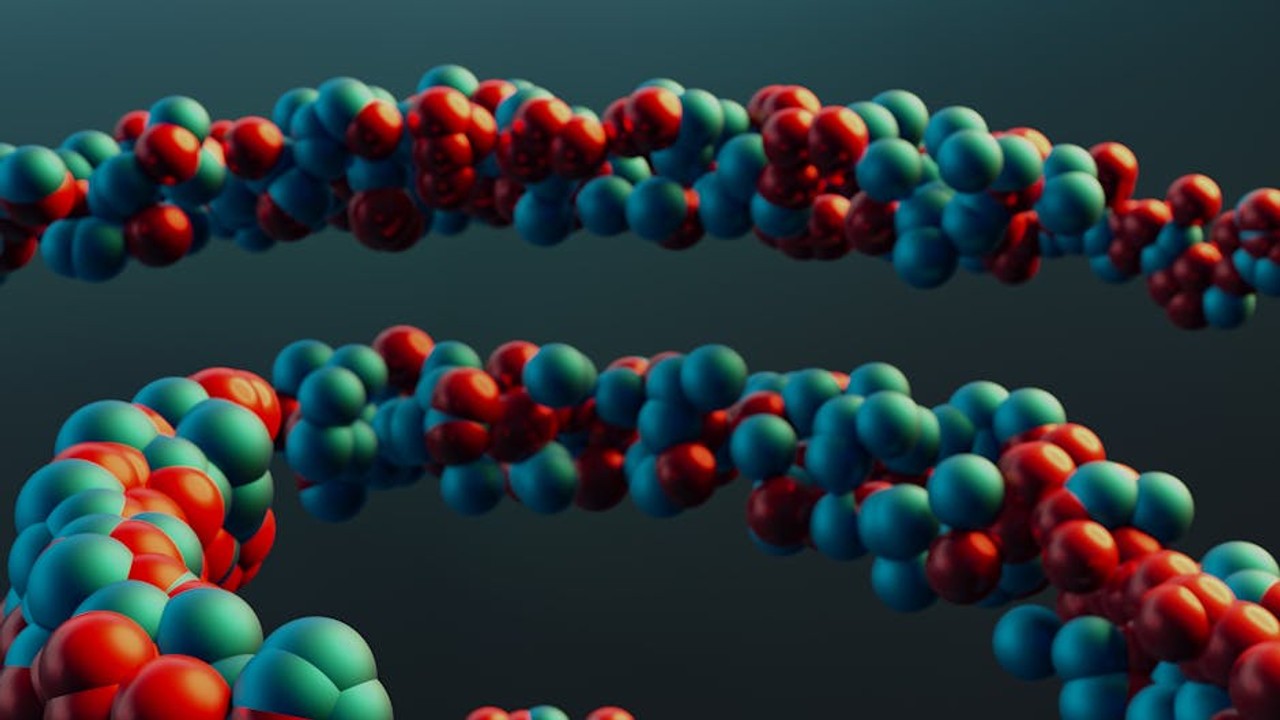
Peptides and Standard Drug Tests: A Mismatch?
The primary reason why most peptides do not show up on standard drug tests is that these tests are not designed to look for them. Standard drug panels focus on substances with a high potential for abuse and are structurally different from the majority of therapeutic peptides.
For instance, common peptides used in research or therapeutic contexts, such as BPC-157 (a peptide derived from a protein found in gastric juice that aids in healing) or CJC-1295 (a growth hormone-releasing hormone analog), are not included in typical screening panels. Even highly sensitive confirmatory tests like GC-MS or LC-MS would only detect these peptides if they were specifically programmed to search for their unique chemical signatures. This requires prior knowledge of the peptide’s identity and its specific mass spectrometry parameters.
However, there are nuances to consider. Some peptides, particularly those that are very small or that are rapidly metabolized into common amino acids, might be even less likely to be detected. Conversely, if a peptide is structurally similar to a substance that *is* on a standard drug panel, or if it is administered in conjunction with banned substances, there could be indirect implications. For example, some peptides might be used to mask the detection of other drugs, which could be flagged by sophisticated testing protocols looking for specific masking agent metabolites.
Specialized Testing and Doping Control
While standard drug tests for employment or general screening are unlikely to detect peptides, specialized testing, particularly in the realm of competitive sports and professional doping control, is a different matter. Organizations like the World Anti-Doping Agency (WADA) maintain extensive lists of prohibited substances and methods. These lists are regularly updated to include emerging performance-enhancing substances, including certain peptides.
WADA-accredited laboratories employ highly advanced analytical techniques, including LC-MS/MS (tandem mass spectrometry), which can be programmed to detect a vast array of compounds, including many peptides. The detection of prohibited peptides in athletes is a significant concern, and sophisticated detection methods are employed to identify them. These tests are specific and can identify even trace amounts of banned substances within their defined detection windows.
For individuals not involved in competitive sports governed by anti-doping regulations, the likelihood of encountering a drug test that specifically screens for therapeutic peptides is extremely low, unless there is a specific and stated reason for such testing (e.g., participation in a clinical trial that requires specialized monitoring). For most users of peptides for wellness or general health optimization, standard drug tests are not a concern for peptide detection.
Factors Influencing Detectability and User Considerations
Several factors can influence whether a peptide might be detected, even by specialized testing:
- Peptide Structure: Larger, more complex peptides or those with unusual amino acid sequences might be more readily identifiable by advanced analytical methods.
- Metabolism: Peptides that are rapidly broken down into common amino acids are less likely to persist in detectable quantities.
- Dose and Frequency: Higher doses and more frequent administration will increase the overall concentration of the peptide or its metabolites in the body, potentially extending detection windows.
- Test Specificity: As highlighted, standard drug tests are not designed for peptides. Only tests specifically looking for a particular peptide can detect it.
- Prohibited Lists: In regulated environments like professional sports, peptides that are explicitly banned will be targeted by specialized testing protocols.
For individuals using peptides for non-medical or research purposes, it is essential to be aware of the legal and ethical implications, particularly if these substances are being used in contexts where drug testing is a possibility. While standard employment drug tests are unlikely to flag common peptides, engagement in competitive sports or environments with strict regulatory oversight necessitates careful consideration of WADA or similar anti-doping agency guidelines. Always consult with a healthcare professional regarding the use of any peptide, and understand the specific testing protocols relevant to your situation.
Frequently Asked Questions
Will peptides show up on a standard urine drug test for employment?
Generally, no. Standard urine drug tests are designed to detect illicit drugs and prescription medications commonly abused, not therapeutic peptides. These tests lack the specific antibodies or analytical protocols required to identify peptide structures.
Are there any situations where peptides might be detected?
Yes. In competitive sports or environments with strict anti-doping regulations, specialized tests conducted by organizations like WADA can detect prohibited peptides. These advanced tests are specifically designed to identify a wide range of performance-enhancing substances.
Can peptides interfere with drug tests?
While not typically designed to interfere directly, some peptides might be used in attempts to mask the detection of other banned substances. This could lead to the detection of the masking agent’s metabolites rather than the peptide itself.
What are the most common therapeutic peptides people use?
Commonly discussed therapeutic peptides include BPC-157 (for healing), CJC-1295 and Ipamorelin (for growth hormone release), and Melanotan II (for tanning and libido). These are not typically included in standard drug screenings.
How long do peptides stay in the system?
The detection window for peptides is not well-defined for standard drug tests as they are not tested for. For specialized doping control, detection times depend on the specific peptide, dosage, frequency of use, and the sensitivity of the testing method. Some peptides may be cleared quickly, while others might persist for longer periods.
Frequently Asked Questions
Dr. Rachel Simmons, PharmD
Health Science Editor
Dr. Simmons is a licensed pharmacist and health science writer with over 12 years of experience in nutraceutical research. She specializes in peptide therapeutics and evidence-based supplement evaluation.