Peptide Persistence: How Long Do They Last In Your Body?
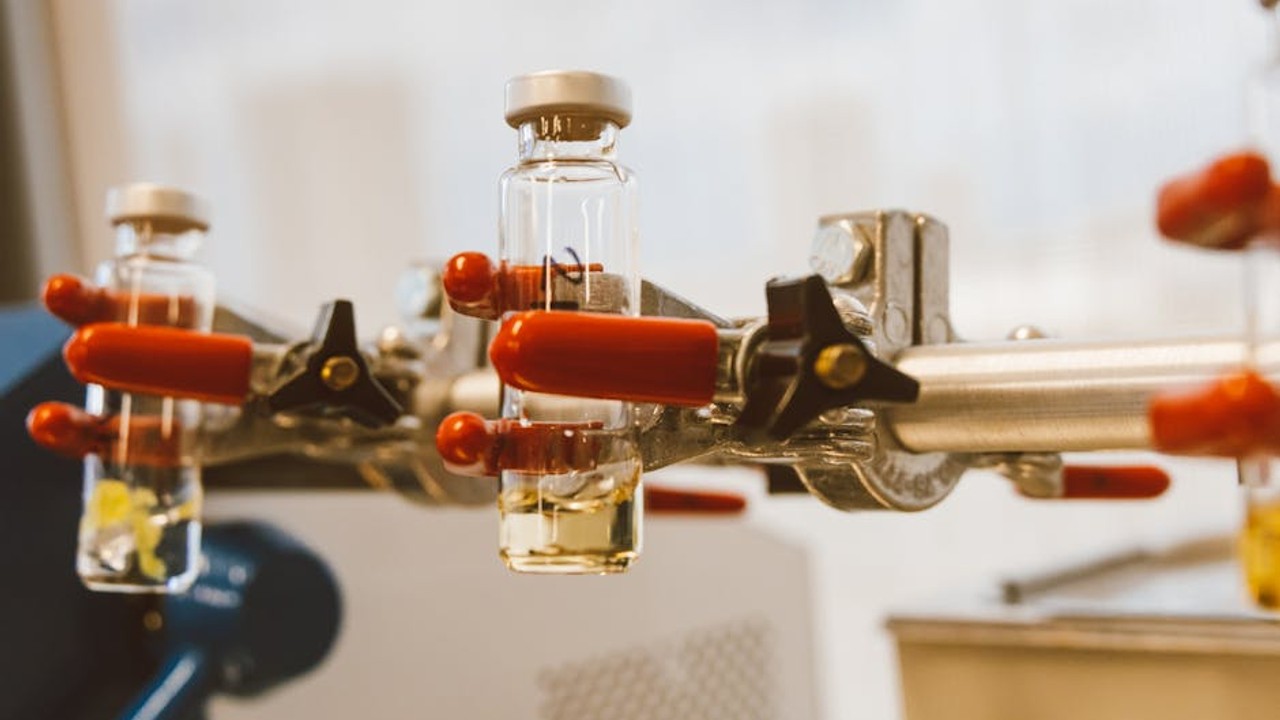
Peptides have surged in popularity within the health and wellness community, lauded for their potential benefits in areas like cardiovascular health, muscle growth, anti-aging, and metabolic optimization. As individuals explore these powerful molecules, a common and crucial question arises: “How long do peptides stay in your system?” Understanding the pharmacokinetic profile of these compounds – specifically their absorption, distribution, metabolism, and excretion – is vital for optimizing their use, managing expectations, and ensuring safety. This isn’t a simple one-size-fits-all answer; the duration a peptide remains detectable and biologically active depends on a complex interplay of factors, including the peptide’s specific structure, the route of administration, individual metabolism, and dosage.
Delving into peptide science reveals a fascinating world of molecular messengers that play critical roles in virtually every physiological process. From signaling pathways that regulate inflammation and tissue repair to those governing hormone release and nutrient uptake, peptides are indispensable. Their therapeutic potential lies in their ability to mimic or modulate these natural signals. However, their efficacy and safety are intrinsically linked to their presence and activity within the body. Therefore, grasping the nuances of their clearance rates is paramount for anyone considering peptide therapy or supplementation.
Understanding Peptide Pharmacokinetics: The Basics
Pharmacokinetics, often summarized by the acronym ADME, describes how a drug or substance moves through the body. For peptides, this process is particularly dynamic. Absorption refers to how the peptide enters the bloodstream. The most common routes for therapeutic peptides are subcutaneous injection, intramuscular injection, and intravenous infusion, all of which lead to rapid and direct entry into circulation. Oral administration is less common for many peptides due to their susceptibility to degradation in the gastrointestinal tract, though advancements in formulation are improving this. Distribution describes where the peptide travels within the body. Peptides can distribute to various tissues and organs depending on their molecular size, charge, and affinity for specific receptors.
The real crux of “how long they stay” lies in Metabolism and Excretion. Peptides are essentially short chains of amino acids. As such, they are often rapidly broken down (metabolized) by enzymes in the body, particularly proteases found in the blood, liver, and kidneys. This enzymatic breakdown reduces the peptide into smaller peptides or individual amino acids, rendering it inactive. Excretion then refers to how the byproducts of metabolism, or the intact peptide if it escapes rapid breakdown, are removed from the body, typically through the kidneys into urine, or via the feces.
The half-life of a peptide is a critical pharmacokinetic parameter. The half-life is the time it takes for the concentration of the peptide in the blood to reduce by half. Different peptides have vastly different half-lives. For instance, naturally occurring peptides like insulin have half-lives measured in minutes, reflecting their role in tightly regulating blood glucose. Synthetic or modified peptides, on the other hand, are often designed to have longer half-lives to reduce dosing frequency and improve therapeutic consistency. Research into peptides like Sermorelin, a growth hormone-releasing hormone (GHRH) analog, indicates a short plasma half-life of around 10-20 minutes after subcutaneous injection. This rapid clearance necessitates frequent administration to maintain consistent physiological effects, such as stimulating growth hormone release.
Factors Influencing Peptide Clearance Rates
Several key factors dictate how quickly a peptide is cleared from your system:
- Peptide Structure and Size: Smaller peptides tend to be cleared faster than larger ones. The specific amino acid sequence also influences susceptibility to enzymatic degradation. Modifications, such as pegylation (attaching polyethylene glycol) or D-amino acid substitutions, are often employed by manufacturers to increase a peptide’s resistance to enzymes and prolong its half-life. For example, a study published in the Journal of Peptide Science highlighted how altering the amino acid composition of a model peptide could significantly impact its stability against enzymatic cleavage.
- Route of Administration: As mentioned, intravenous administration leads to immediate systemic exposure but also rapid distribution and potential for initial rapid clearance. Subcutaneous and intramuscular injections offer a slower absorption rate, which can lead to a more sustained release into the bloodstream and potentially a longer perceived duration of action, even if the intrinsic half-life is short.
- Individual Metabolism and Physiology: Age, kidney and liver function, body composition, hydration levels, and even genetics can influence how efficiently an individual metabolizes and excretes substances, including peptides. For example, individuals with impaired kidney function may clear peptides more slowly, leading to higher and more prolonged systemic concentrations. A meta-analysis in the British Journal of Clinical Pharmacology found significant inter-individual variability in drug half-lives, a principle that extends to peptides.
- Dosage and Frequency: Higher doses can lead to longer detectable periods, though this doesn’t necessarily translate to proportionally longer biological activity due to saturation of receptors or rapid breakdown of excess molecules. The frequency of administration is also critical; if a peptide is administered before the previous dose has been fully cleared, its concentration in the system will remain elevated, creating a cumulative effect.
- Binding to Proteins: Some peptides can bind to plasma proteins in the bloodstream. This binding can protect them from rapid enzymatic degradation and reduce their rate of excretion, thereby prolonging their half-life and duration of action.
Consider the example of BPC-157, a synthetic peptide derived from a protein found in gastric juice, known for its potent regenerative and anti-inflammatory properties. While precise pharmacokinetic data can be elusive due to its research status, anecdotal evidence and preliminary studies suggest it has a relatively good stability and may exert effects for a considerable period after administration. However, it’s essential to remember that “in the system” can mean different things: being detectable by a blood test versus exerting a significant biological effect. Often, a peptide might be below detectable levels in a blood sample long before its cellular signaling or tissue repair effects have fully concluded.
Peptides and Drug Testing: What You Need to Know
For athletes and individuals subject to performance-enhancing drug testing, the question of peptide persistence is particularly relevant. Many peptides, especially those used for their anabolic or recovery-enhancing effects, are banned by sports organizations. The detection windows for these substances vary significantly.
For peptides with very short half-lives (minutes to a few hours), like some growth hormone secretagogues, detection might only be possible if testing occurs very shortly after administration. However, it’s crucial to understand that the *effects* of a peptide might linger longer than the molecule itself is detectable. For instance, a peptide that stimulates endogenous growth hormone release may lead to elevated GH levels for some time, but the peptide itself might be cleared rapidly. Athletes might be tested for the presence of the peptide itself or for its metabolites. Research presented at sports science conferences has indicated that some modified peptides with extended half-lives can remain detectable for days or even weeks after the last dose, depending on the sensitivity of the assay and the specific peptide used. For example, GHRP-6, a synthetic secretagogue, has a reported half-life of around 2.5 hours. While the peptide itself may clear relatively quickly, its downstream effects on GH and IGF-1 levels could be present for longer.
The challenge for drug testing agencies is the sheer number of emerging peptides and the difficulty in establishing definitive detection protocols for all of them. Furthermore, impurities or degradation products could potentially be flagged. Therefore, the safest approach for any athlete or individual subject to testing is to avoid the use of any banned substances, including peptides, as the detection windows are complex and can be influenced by numerous factors.
Implications for Anti-Aging and Therapeutic Use
In the realm of anti-aging and therapeutic applications, understanding peptide persistence is key to establishing effective treatment protocols. For peptides aimed at stimulating collagen production, improving skin elasticity, or enhancing cellular repair, a sustained, albeit often low-level, presence can be more beneficial than a sharp spike and rapid decline. This is why many cosmetic peptides are formulated for topical application, allowing for gradual absorption and prolonged local action.
For systemic applications, such as those targeting hormone balance or metabolic health, the goal is often to mimic natural physiological pulses or maintain a steady therapeutic level. If a peptide has a very short half-life, like GHRP-2 (half-life around 1-2 hours), frequent injections might be necessary to achieve consistent results. Conversely, modified peptides designed for a longer duration, such as some analogues of GLP-1 used in diabetes management (e.g., Liraglutide, with a half-life of about 13 hours), allow for less frequent dosing (once daily) and provide more stable glycemic control.
The concept of “staying in your system” also needs to be considered in terms of cumulative effects and potential long-term benefits. Some peptides might initiate cascades of cellular processes that continue long after the parent molecule has been cleared. For example, peptides involved in stem cell activation or DNA repair might have effects that manifest over weeks or months, even if the peptide itself is only present for a short period. This long-term impact, rather than simple detectability, is often the true aim of therapeutic peptide use.
Frequently Asked Questions
Are peptides detectable indefinitely in the body?
No, peptides are not detectable indefinitely. They are eventually metabolized and excreted from the body. The timeframe for detection depends heavily on the specific peptide’s half-life, the dosage, the route of administration, and individual metabolism.
Can you feel the effects of a peptide after it’s no longer detectable?
Yes, it’s possible. Some peptides initiate cellular processes or signaling pathways that continue to have physiological effects even after the peptide molecule itself has been cleared from the bloodstream. The duration of biological effect can be longer than the detection window.
Does drinking water help clear peptides faster?
While staying well-hydrated is crucial for overall kidney function and waste elimination, it typically won’t significantly accelerate the metabolic breakdown of peptides. The primary clearance mechanisms are enzymatic degradation and renal excretion, which are influenced more by the peptide’s properties and the body’s inherent physiological processes than by hydration levels alone.
How do modified peptides (e.g., pegylated) stay in the system longer?
Modifications like pegylation involve attaching a polyethylene glycol molecule to the peptide. This larger structure shields the peptide from rapid enzymatic breakdown and can also reduce its rate of clearance by the kidneys, thereby extending its half-life and duration of action in the body.
Is there a standard half-life for all peptides?
Absolutely not. Peptides are incredibly diverse, ranging from very short chains to complex structures. Their half-lives can vary dramatically, from mere minutes for some naturally occurring peptides to many hours or even days for specifically engineered therapeutic or modified peptides.
Frequently Asked Questions
Dr. Rachel Simmons, PharmD
Health Science Editor
Dr. Simmons is a licensed pharmacist and health science writer with over 12 years of experience in nutraceutical research. She specializes in peptide therapeutics and evidence-based supplement evaluation.