How Much Bacteriostatic Water To Add To Peptides
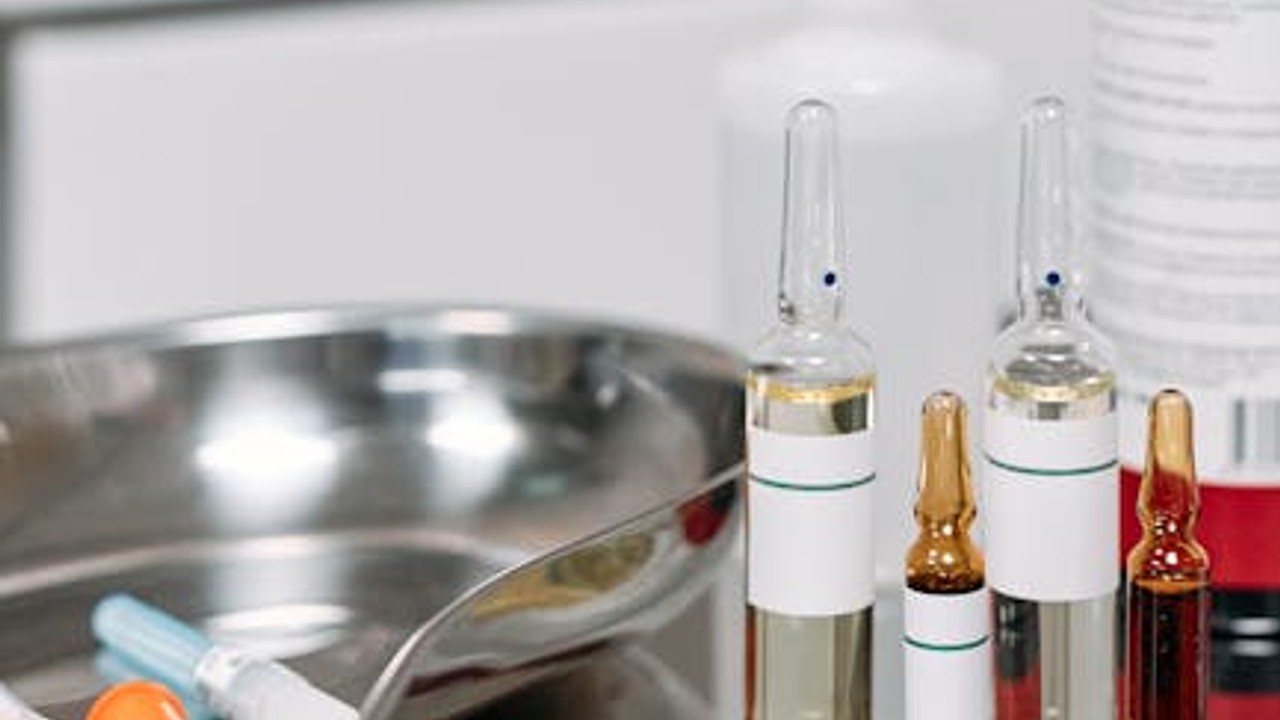
Peptides, those fascinating short chains of amino acids, are revolutionizing fields from anti-aging and cardiovascular health to sports performance and tissue regeneration. As their therapeutic potential becomes increasingly recognized, so too does the importance of their proper handling and reconstitution. One of the most crucial steps in this process is adding bacteriostatic water – but how much exactly? This isn’t a trivial detail; incorrect reconstitution can impact peptide stability, efficacy, and safety. In this post, we’ll delve into the science behind bacteriostatic water, explore the factors influencing reconstitution volumes, and provide evidence-based guidelines to ensure you’re using your peptides optimally.
Understanding the precise volume of bacteriostatic water to add to your lyophilized peptides is paramount. It dictates the final concentration of the peptide, which directly influences dosage and therapeutic effect. While some may approach this with guesswork, a science-backed method ensures that the active peptide is delivered at its intended strength, maximizing its benefits and minimizing potential risks. We will break down the common calculations and provide practical advice for home reconstitution.
The Role of Bacteriostatic Water
Bacteriostatic water for injection (BWFI) is sterile water containing 0.9% benzyl alcohol. This preservative inhibits bacterial growth, making it ideal for multi-dose vials. When reconstituting lyophilized (freeze-dried) peptides, which are typically supplied as a powder, bacteriostatic water serves two primary functions: it dissolves the peptide powder into a liquid solution, and its bacteriostatic properties allow for safe storage and multiple uses of the vial over a period of time, typically up to 28 days when stored properly in a refrigerator.
Unlike plain sterile water for injection (SWFI), which lacks preservatives, BWFI is crucial for maintaining the integrity of the peptide solution after the vial has been opened. SWFI would allow bacterial contamination to proliferate rapidly, rendering the solution unsafe after the first use. The benzyl alcohol in BWFI acts as a bacteriostatic agent, preventing bacteria from multiplying, though it does not sterilize the solution. This distinction is vital for anyone preparing peptide injections at home.
Calculating Peptide Concentration: The Science Behind the Volume
The amount of bacteriostatic water you add directly determines the final concentration of your peptide. This is typically expressed in milligrams per milliliter (mg/mL) or micrograms per milliliter (mcg/mL). The calculation is straightforward and relies on two key pieces of information:
- The total amount of peptide in the vial: This is usually printed on the vial itself or its packaging, often in milligrams (mg). Common strengths include 2mg, 5mg, or 10mg.
- The desired final concentration: This is often determined by the research you’ve done, a protocol from a healthcare professional, or the peptide’s intended use. Common target concentrations might be 1mg/mL, 2mg/mL, or 100mcg/mL (which is equivalent to 0.1mg/mL).
The formula to calculate the volume of bacteriostatic water needed is:
Volume of BWFI (mL) = Total amount of peptide (mg) / Desired concentration (mg/mL)
Let’s walk through an example. Suppose you have a vial containing 5mg of a peptide, and you want to reconstitute it to a concentration of 2mg/mL. Using the formula:
Volume of BWFI = 5mg / 2mg/mL = 2.5mL
This means you would draw 2.5mL of bacteriostatic water into your syringe and inject it into the peptide vial. After the powder is fully dissolved, the vial will contain 7.5mg of peptide in a total volume of 2.5mL, achieving your target concentration of 2mg/mL (5mg total peptide / 2.5mL total volume = 2mg/mL).
It’s important to note that the total volume in the vial will be the volume of the powder plus the volume of the liquid added. However, the concentration is calculated based on the total liquid volume after reconstitution. Some sources may simplify this by stating “add X mL to a Y mg vial to get Z mg/mL,” but understanding the underlying calculation is key to flexibility and troubleshooting.
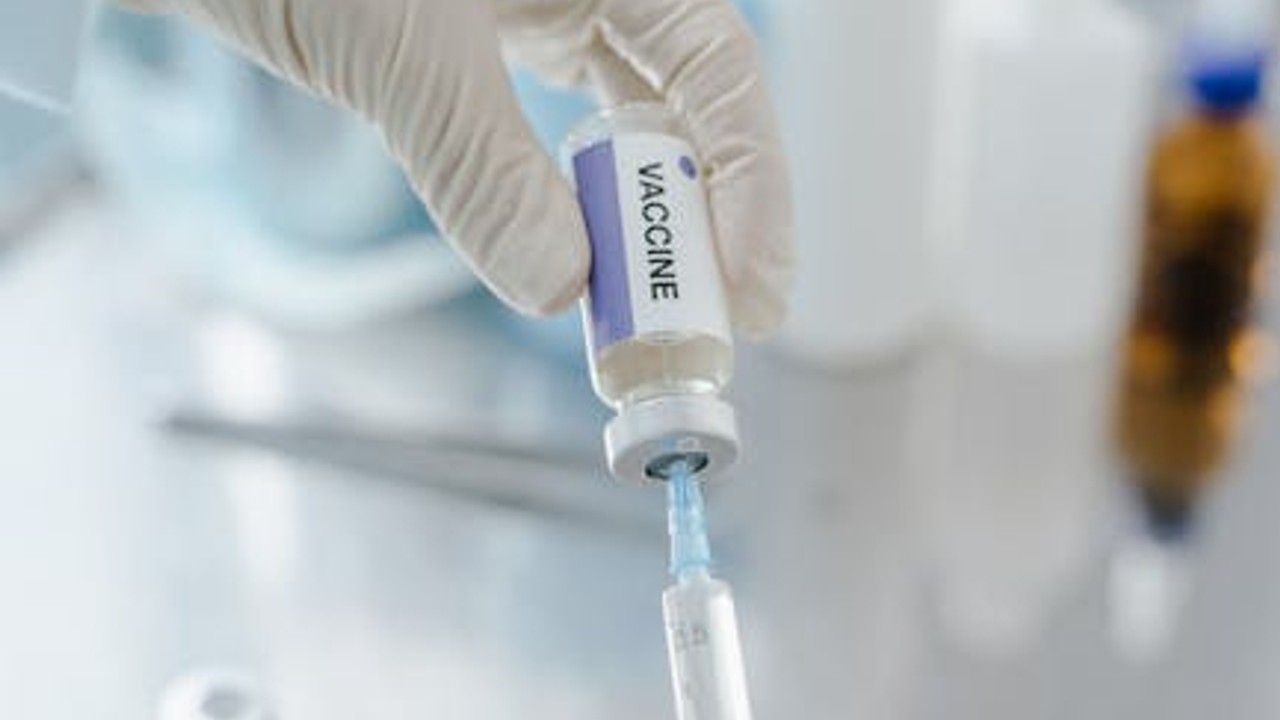
Alternatively, if you have a syringe calibrated for insulin units (U-100), you can work with units. U-100 insulin syringes are calibrated so that 1mL equals 100 units. If you want a concentration of 100mcg/mL and your vial contains 5mg (which is 5000mcg), you would need 5000mcg / 100mcg/mL = 50mL of total volume. This is impractical for a small vial. A more common approach is to achieve a higher concentration per mL. For instance, if you want 2mg/mL from a 5mg vial, you need 2.5mL of BWFI. In U-100 units, 2.5mL is 250 units. This means you would draw 250 units of BWFI into your syringe and add it to the vial.
Key takeaway: Always perform the calculation based on the mg of peptide and the desired mg/mL concentration. Using unit-calibrated syringes can be helpful for accurate measurement of smaller volumes once the calculation is done.
Factors Affecting Reconstitution Volume
While the calculation is the primary driver, several factors can influence the practical aspects of reconstitution volume:
Peptide Stability and Degradation
Peptides are delicate molecules susceptible to degradation. Higher concentrations can sometimes lead to increased aggregation or degradation over time, especially if stored improperly. Conversely, overly dilute solutions may also be less stable. The “sweet spot” for concentration often balances efficacy with stability. For many commonly used peptides in research and anti-aging, concentrations ranging from 1mg/mL to 5mg/mL are generally considered stable when stored correctly.
Research by Alaradi et al. (2020) highlighted that peptide stability is highly sequence-dependent, meaning different peptides may have different optimal reconstitution concentrations and storage conditions. Always refer to specific research or supplier guidelines for the peptide you are using.
Intended Use and Dosage
The intended application of the peptide is a major determinant of the required concentration. For example, peptides used in cosmetic applications might require lower concentrations than those used for systemic therapeutic effects. Similarly, if a specific dosage is prescribed (e.g., 200mcg per day), you will want to reconstitute your peptide to a concentration that allows for easy and accurate measurement of that dose with standard syringes (e.g., 100mcg/mL or 200mcg/mL). If you reconstitute to a very high concentration (e.g., 10mg/mL) from a 5mg vial, you’d only need to draw up 0.02mL (20mcg) for a 200mcg dose, which can be difficult to measure precisely with typical syringes.
Supplier Recommendations and Common Practices
Peptide suppliers often provide recommendations for reconstitution volumes based on their product’s characteristics and typical usage. While these are helpful starting points, they are not always binding. Many experienced users have established protocols based on empirical evidence and shared community knowledge. For instance, for growth hormone secretagogues like CJC-1295 or Ipamorelin, a common reconstitution target is 2mg/mL or 2.5mg/mL for a 5mg vial, leading to a total volume of 2mL or 2.5mL respectively. This concentration allows for easy dosing with standard insulin syringes.
Volume of the Vial and Powder Displacement
It’s crucial to remember that the lyophilized powder itself occupies a small volume within the vial. When you add liquid, you are not just filling an empty space; you are dissolving the powder into the liquid. The calculations provided above account for the final volume of the solution. While the displacement effect is usually minor for small amounts of powder, it’s good practice to be aware of it. Some advanced users might use precise density calculations, but for most practical purposes, the standard formula suffices.
Practical Steps for Reconstitution
Executing the reconstitution process correctly is as important as the calculation itself. Here’s a step-by-step guide:
- Gather Your Supplies: You will need your lyophilized peptide vial, a vial of bacteriostatic water, sterile syringes (typically 1mL or 3mL, depending on the volume needed), sterile alcohol prep pads, and a sharps container.
- Prepare Your Workspace: Ensure you are in a clean, well-lit area. Wash your hands thoroughly.
- Sanitize: Use an alcohol prep pad to wipe down the rubber stoppers of both the peptide vial and the bacteriostatic water vial. Allow them to air dry.
- Calculate and Measure: Determine the precise amount of bacteriostatic water to add using the formula discussed earlier. Draw the calculated volume of bacteriostatic water into your sterile syringe.
- Inject the Water: Carefully insert the needle of the syringe through the stopper of the peptide vial. Gently inject the bacteriostatic water into the vial. Avoid injecting directly onto the powder, but rather let it flow down the side of the vial.
- Dissolve the Peptide: Remove the syringe. Gently swirl the vial or rock it back and forth. Do not shake vigorously, as this can damage the peptide structure. Continue until all the powder is completely dissolved. This may take a few minutes.
- Label and Store: Once dissolved, label the vial with the peptide name, the date of reconstitution, and the final concentration. Store the vial upright in the refrigerator (typically 2-8°C or 36-46°F).
- Discard Safely: Dispose of used needles and syringes immediately in a sharps container.
For accurate dosing, especially with smaller volumes, using U-100 insulin syringes is recommended. If your calculation resulted in needing 2.5mL (250 units) for a 5mg vial to achieve 2mg/mL, you would draw up 250 units on your insulin syringe. If you need a dose of, say, 200mcg from a solution that is 2mg/mL (which is 2000mcg/mL), you would draw up 0.1mL (or 10 units) of the reconstituted peptide solution.
Frequently Asked Questions
What is bacteriostatic water, and why is it used for peptides?
Bacteriostatic water is sterile water containing 0.9% benzyl alcohol. It’s used for reconstituting lyophilized peptides because the benzyl alcohol inhibits bacterial growth, allowing the vial to be used for multiple doses over time without becoming contaminated, provided it’s stored properly. Plain sterile water would allow bacteria to multiply rapidly after the first use.
Can I use regular sterile water instead of bacteriostatic water?
No, it is strongly advised not to use regular sterile water for injection (SWFI) for reconstituting peptides intended for multi-dose use. SWFI lacks preservatives. While it will dissolve the peptide, any bacteria introduced during reconstitution or subsequent draws will grow unchecked, leading to a high risk of infection and spoilage of the peptide solution.
How long can reconstituted peptides be stored?
The typical shelf life for most reconstituted peptides using bacteriostatic water, when stored properly in a refrigerator (2-8°C or 36-46°F), is up to 28 days. However, this can vary depending on the specific peptide and its stability. Always check supplier information or relevant research for the peptide you are using. Never use a solution that appears cloudy, has particles, or has an unusual odor.
What happens if I add too much or too little bacteriostatic water?
Adding too little bacteriostatic water will result in a higher peptide concentration than intended. This means each dose drawn will contain more peptide, which could lead to unintended side effects or exceeding a safe dosage. Adding too much bacteriostatic water will result in a lower peptide concentration, meaning each dose drawn will contain less peptide, potentially making it sub-therapeutic and less effective.
Is it safe to inject peptides reconstituted with bacteriostatic water?
When reconstituted and stored correctly, and used within their recommended shelf life, peptides prepared with bacteriostatic water are generally considered safe for injection by experienced individuals following proper sterile techniques. However, it is crucial to obtain peptides from reputable sources and always adhere to strict hygiene protocols to minimize the risk of infection. Consultation with a healthcare professional knowledgeable in peptide therapy is highly recommended.
Frequently Asked Questions
Dr. Rachel Simmons, PharmD
Health Science Editor
Dr. Simmons is a licensed pharmacist and health science writer with over 12 years of experience in nutraceutical research. She specializes in peptide therapeutics and evidence-based supplement evaluation.