Peptides: Unlocking Your Body’s Potential for Health & Performance
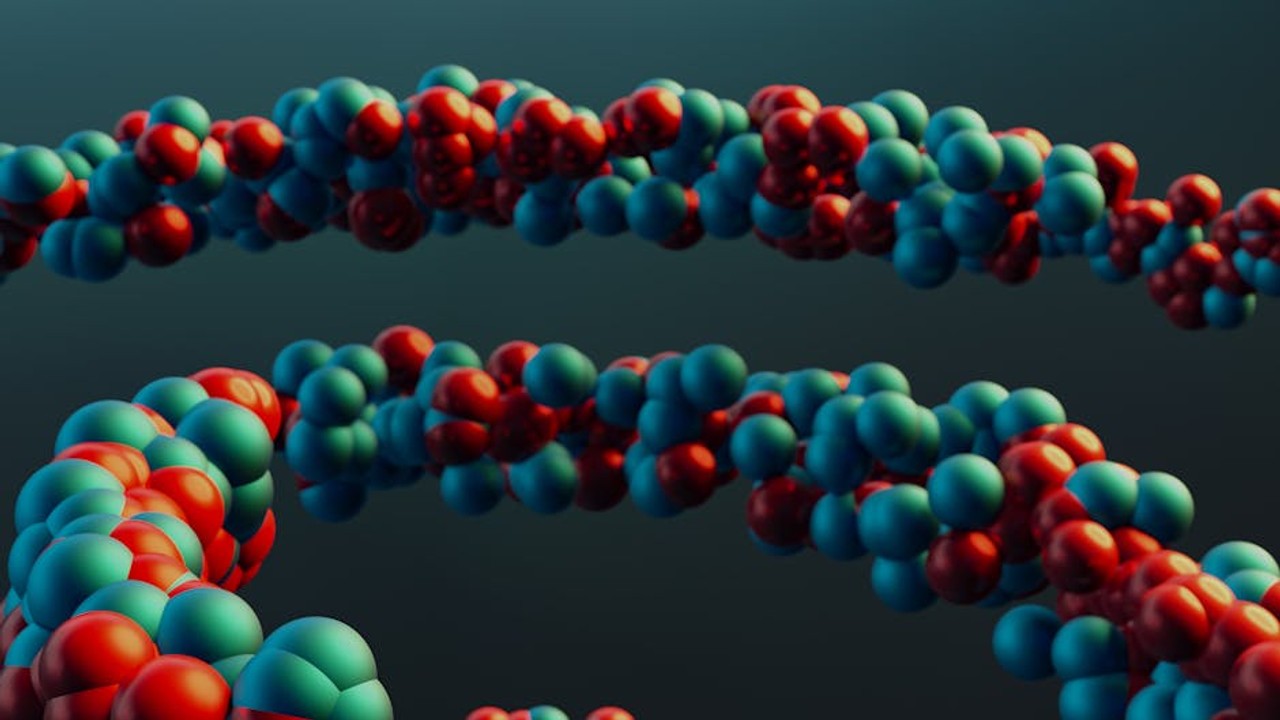
Peptides are more than just short chains of amino acids; they are the fundamental building blocks of life and the unsung heroes of cellular communication and function. Found naturally within our bodies and in various external sources, these remarkable molecules play critical roles in everything from tissue repair and immune response to hormone regulation and anti-aging processes. Understanding what peptides do for you unlocks a deeper appreciation for their potential in promoting health, well-being, and longevity.
In the realm of health and wellness, peptides are garnering significant attention for their targeted and potent effects. Unlike larger proteins, their smaller size allows them to interact more readily with specific cellular receptors, initiating precise biological responses. This specificity is key to their therapeutic potential, offering a nuanced approach to addressing various health concerns and enhancing physiological functions. Let’s delve into the diverse ways peptides work within your body and how they can contribute to a healthier, more resilient you.
The Foundational Roles of Peptides in the Body
At their core, peptides are short sequences of amino acids linked by peptide bonds. They are the building blocks for larger proteins, but they also possess independent biological activity. Think of them as tiny messengers or functional units within your cells. Naturally occurring peptides in the human body are involved in a vast array of processes. For instance, hormone regulation is a primary function, with peptides like insulin and growth hormone-releasing hormone (GHRH) orchestrating critical metabolic and developmental pathways. The immune system relies heavily on peptides, such as antimicrobial peptides, to defend against pathogens. Furthermore, peptides are integral to tissue repair and regeneration. When damage occurs, specific signaling peptides are released to recruit repair cells and stimulate the healing process.
Beyond these fundamental roles, peptides are deeply involved in neurotransmission, acting as neurotransmitters or neuromodulators in the brain, influencing mood, cognition, and pain perception. They also play a role in cardiovascular health, with some peptides helping to regulate blood pressure and blood flow, while others contribute to the integrity of blood vessel walls. The intricate web of peptide signaling ensures that cells can communicate effectively, coordinating complex biological functions to maintain homeostasis and adapt to changing conditions. This intrinsic ability of peptides to facilitate and regulate bodily processes forms the basis of their therapeutic and anti-aging applications.
Peptides for Enhanced Recovery and Muscle Growth
For athletes, fitness enthusiasts, and individuals recovering from injury, peptides offer a powerful avenue for enhancing recovery and promoting muscle growth. Certain peptides, particularly those involved in the growth hormone cascade, are well-known for their anabolic properties. For example, peptides like Ipamorelin and CJC-1295 (often referred to as DAC or without DAC) are synthetic analogues designed to stimulate the pituitary gland to release more growth hormone. Elevated growth hormone levels can accelerate protein synthesis, a crucial process for muscle repair and hypertrophy. A meta-analysis published in the Journal of Strength and Conditioning Research examining the effects of growth hormone supplementation in athletes noted significant increases in lean body mass and reductions in fat mass, though it’s important to distinguish between direct GH and GH-releasing peptides.
Beyond direct GH stimulation, other peptides target specific pathways involved in tissue repair. For instance, BPC-157 (Body Protection Compound-157) is a well-studied peptide that has demonstrated remarkable healing properties in preclinical models. Research published in the Journal of Physiology and Pharmacology has shown BPC-157’s ability to accelerate the healing of tendons, muscles, ligaments, and even bone fractures. It is believed to work by promoting angiogenesis (new blood vessel formation) and enhancing the function of growth factors crucial for tissue regeneration. The targeted nature of these peptides means they can aid in reducing inflammation, alleviating pain, and significantly shortening recovery times after strenuous exercise or injury, allowing for more consistent training and faster progress towards fitness goals.

The Anti-Aging Potential of Peptide Therapies
The pursuit of longevity and youthful vitality has increasingly turned towards peptides, and for good reason. As we age, our bodies naturally produce fewer essential peptides, leading to a decline in cellular function and an increased susceptibility to age-related diseases. Peptide therapies aim to counteract these effects by replenishing or stimulating the production of key peptides. One of the most significant areas of research focuses on peptides that support collagen production, such as copper peptides (e.g., GHK-Cu). Copper peptides are known to stimulate the synthesis of collagen, elastin, and glycosaminoglycans, which are vital for skin elasticity, firmness, and hydration. Studies have shown that topical application of copper peptides can improve skin texture, reduce the appearance of wrinkles, and enhance skin healing, making them a popular ingredient in anti-aging skincare formulations.
Beyond topical applications, systemic peptide therapies are being explored for their broader anti-aging benefits. Peptides that modulate the body’s response to oxidative stress and inflammation are of particular interest. Thymosin Beta-4, for instance, is a naturally occurring peptide involved in tissue repair and inflammation control. Research suggests its potential to protect cells from damage, promote cellular regeneration, and even improve cardiovascular function, all of which are critical for maintaining a youthful state. Furthermore, peptides that influence cellular senescence – the process by which cells stop dividing – are being investigated as a means to clear out aged cells and promote the function of younger, healthier cells, thereby contributing to overall rejuvenation and a reduction in age-related decline. While research is ongoing, the targeted action of peptides offers a promising frontier in the fight against aging.
Cognitive Enhancement and Neurological Support with Peptides
The brain, with its complex network of neurons and neurotransmitters, is a prime target for peptide intervention. Peptides play crucial roles in neuronal signaling, neuroprotection, and neurogenesis (the creation of new neurons). Some peptides, like Semax and Selank, are synthetic analogues of naturally occurring peptides that have shown promise in enhancing cognitive function and providing neuroprotective benefits. Semax, for example, is believed to improve memory, learning, and attention by increasing levels of brain-derived neurotrophic factor (BDNF), a key molecule for neuronal survival and growth. Studies have explored its use in conditions affecting cognitive decline and stroke recovery.
Selank, another peptide developed in Russia, is an anxiolytic and nootropic agent that can reduce anxiety and improve cognitive performance. Its mechanism of action involves modulating the hypothalamic-pituitary-adrenal (HPA) axis and influencing the levels of neurotransmitters like serotonin and dopamine. The potential for peptides to support brain health extends to neurodegenerative diseases. Research into peptides that can cross the blood-brain barrier and protect neurons from damage, or even promote their repair, is a rapidly evolving field. While more large-scale human trials are needed, the evidence suggests that peptides could offer novel therapeutic strategies for improving cognitive function, managing neurological disorders, and supporting overall brain health throughout the lifespan.
Frequently Asked Questions
What are peptides made of?
Peptides are short chains of amino acids, which are the basic building blocks of proteins. They are essentially smaller versions of proteins, consisting of anywhere from two to fifty amino acids linked together.
Are peptides safe?
The safety of peptides depends heavily on the specific peptide, its intended use, dosage, purity, and whether it’s administered under the guidance of a qualified healthcare professional. Naturally occurring peptides are generally safe and essential for bodily functions. However, synthetic or exogenously administered peptides, especially those with potent pharmacological effects, require careful consideration and medical supervision to manage potential side effects and ensure appropriate use.
How are peptides administered?
Peptides can be administered through various routes, including subcutaneous injection (under the skin), intramuscular injection (into a muscle), topical application (creams or serums), nasal sprays, and oral supplements (though oral bioavailability can be a challenge for many peptides). The most effective route of administration often depends on the specific peptide and its intended target.
Can peptides replace traditional medicine?
In many cases, peptides are considered complementary therapies or are used for specific applications where they may offer unique benefits. They are not typically intended to replace established medical treatments for serious conditions but rather to augment care, address specific physiological functions, or target areas where traditional medicine may have limitations. Always consult with a healthcare provider before using peptides as part of your health regimen.
Frequently Asked Questions
Dr. Rachel Simmons, PharmD
Health Science Editor
Dr. Simmons is a licensed pharmacist and health science writer with over 12 years of experience in nutraceutical research. She specializes in peptide therapeutics and evidence-based supplement evaluation.