Collagen vs. Collagen Peptides: What’s the Real Difference?

Collagen. It’s a buzzword in the wellness industry, lauded for its potential benefits to skin, joints, and overall vitality. You’ve likely seen it in everything from protein powders to skincare serums. But amidst the marketing hype, a common point of confusion arises: what’s the real difference between “collagen” and “collagen peptides”? While they are intimately related, understanding their distinctions is crucial for making informed choices about your health and supplementation.
At its core, collagen is the most abundant protein in the human body, acting as the primary structural component of connective tissues like skin, bones, tendons, and ligaments. It provides strength, elasticity, and resilience. However, when we consume collagen in its native, large-molecule form, our digestive system struggles to break it down effectively. This is where collagen peptides, also known as hydrolyzed collagen, enter the picture. They represent a more bioavailable and easily utilized form of this vital protein.
The Foundation: What is Collagen?
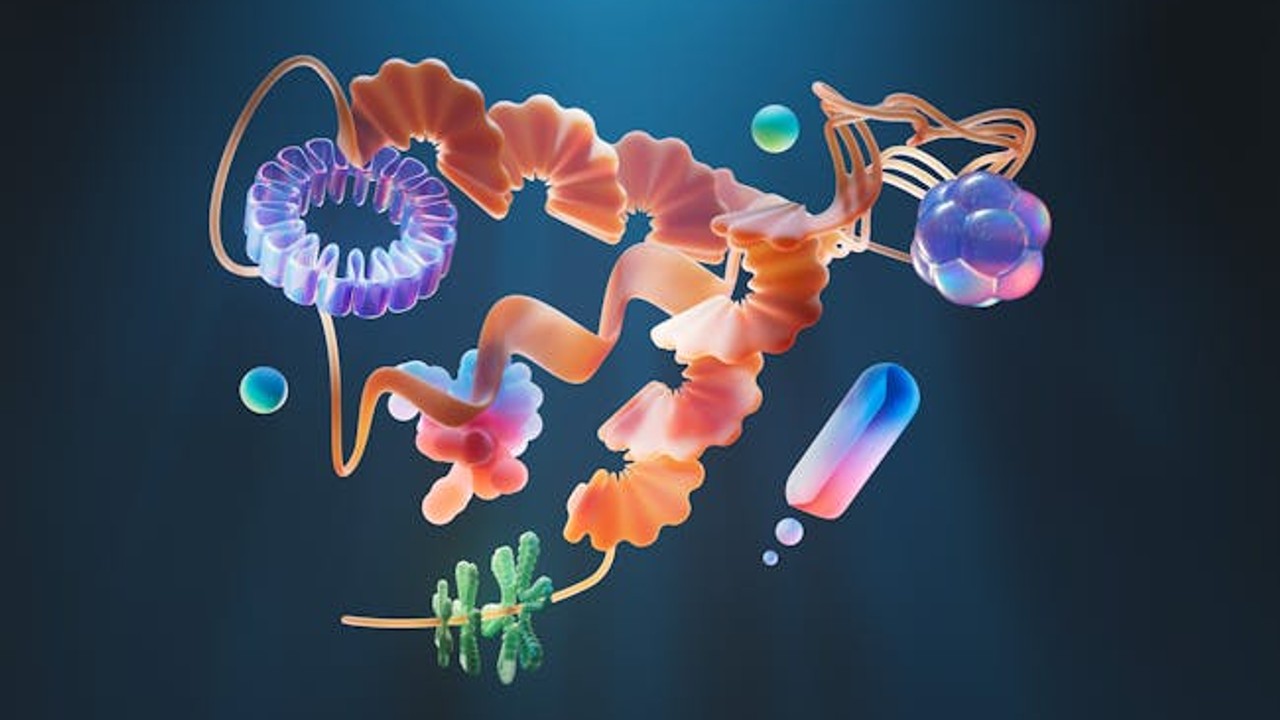
Collagen is a complex macromolecule, a long chain of amino acids arranged in a triple helix structure. This unique structure gives collagen its remarkable tensile strength. There are at least 28 different types of collagen identified in the body, with Type I, II, and III being the most prevalent and relevant to our discussion. Type I collagen is abundant in skin, bones, tendons, and ligaments, providing structural integrity. Type II is the main component of cartilage, essential for joint cushioning. Type III collagen is found alongside Type I in skin and internal organs.
As we age, our body’s natural collagen production begins to decline. This reduction contributes to many of the visible signs of aging, such as wrinkles, sagging skin, and decreased joint flexibility. Environmental factors like UV radiation, poor diet, and smoking can further accelerate this collagen degradation. This natural decline is a key driver behind the growing interest in exogenous collagen sources, either through diet or supplements, to potentially replenish diminishing levels and support bodily functions.
The Transformation: From Collagen to Collagen Peptides
When we ingest large collagen molecules, they must be broken down into smaller units by our digestive enzymes before they can be absorbed. This process is often inefficient, especially as digestive function can vary. This is where the science of **hydrolysis** comes into play. Hydrolysis is an enzymatic or chemical process that breaks down complex molecules by reacting them with water. In the context of collagen, hydrolysis breaks down the long collagen chains into much smaller fragments called peptides.
These peptides are significantly smaller than intact collagen molecules, typically ranging from 2 to 10 amino acids in length. This reduction in size is critical. Because they are so much smaller, collagen peptides are much more easily absorbed through the intestinal wall and enter the bloodstream. Once in circulation, these peptides can be transported to tissues throughout the body, where they can serve as building blocks for new collagen synthesis or signal the body’s own collagen-producing cells (fibroblasts) to become more active.
Bioavailability and Absorption: The Key Distinction
The primary and most significant difference between collagen and collagen peptides lies in their **bioavailability** – the extent and rate at which a nutrient is absorbed and becomes available to the body. As discussed, intact collagen molecules are large and complex. Their absorption requires extensive enzymatic breakdown in the digestive tract. If this breakdown is incomplete, large fragments may pass through the digestive system without being absorbed, meaning you don’t reap the full potential benefits.
Collagen peptides, on the other hand, have already undergone this breakdown process. Their small size allows for rapid and efficient absorption, with studies suggesting that over 90% of collagen peptides can be absorbed within a few hours of ingestion. This enhanced absorption means that the amino acids and smaller peptide fragments are readily available to reach target tissues, such as the skin dermis or articular cartilage, where they can exert their beneficial effects. This is why you’ll almost exclusively find collagen supplements marketed as “collagen peptides” or “hydrolyzed collagen.”
Evidence-Based Benefits: What the Science Says
The distinction in bioavailability translates directly into the observed benefits of collagen peptide supplementation. A growing body of scientific evidence supports their efficacy in various health domains:
- Skin Health: Several clinical trials have demonstrated the positive impact of collagen peptide supplementation on skin hydration, elasticity, and wrinkle reduction. For instance, a study published in the *Journal of Cosmetic Dermatology* (2019) found that daily intake of specific collagen peptides led to significant improvements in skin hydration and elasticity after 12 weeks, with participants showing fewer wrinkles. Another study in *Skin Pharmacology and Physiology* (2015) indicated that oral collagen peptide supplementation could promote a more youthful-looking skin appearance.
- Joint Health: For individuals experiencing joint discomfort, collagen peptides have shown promise. Research published in *Current Rheumatology Reports* (2017) reviewed multiple studies suggesting that collagen supplementation may help improve joint pain, stiffness, and function, particularly in those with osteoarthritis. A placebo-controlled study in the *Journal of Agricultural and Food Chemistry* (2008) found that 10 grams of collagen peptide daily significantly reduced joint pain in athletes.
- Bone Health: Collagen is a critical component of bone matrix. Some research suggests that collagen peptide supplementation may support bone mineral density and reduce the risk of osteoporosis. A study in *Osteoporosis International* (2017) indicated that daily collagen peptide supplementation for one year led to a significant increase in bone mineral density in postmenopausal women.
- Muscle Mass: While not a complete protein in the same way as whey or casein, collagen peptides can contribute to muscle protein synthesis, especially when combined with resistance training. A study in the *Journal of the American College of Nutrition* (2019) showed that elderly men who underwent resistance training and took collagen peptide supplements experienced greater gains in muscle mass and strength compared to those who did not.
It’s important to note that the specific type of collagen peptide, dosage, and duration of supplementation can influence the outcomes. However, the overall trend in research points towards the tangible benefits of consistently consuming hydrolyzed collagen for various physiological functions.
Choosing the Right Form and Understanding Sources
When purchasing collagen supplements, you will almost always be looking for products labeled as “collagen peptides,” “hydrolyzed collagen,” or “collagen hydrolysate.” These terms are generally interchangeable and indicate that the collagen has undergone the necessary processing for enhanced bioavailability.
The primary sources of collagen peptides for supplements are derived from animals:
- Bovine (Cow): This is a very common source, typically providing Type I and Type III collagen, abundant in skin, bones, and connective tissues.
- Marine (Fish): Marine collagen, primarily from fish skin and scales, is a rich source of Type I collagen and is often preferred by those seeking a less allergenic option or adhering to specific dietary preferences. It is also noted for its smaller peptide sizes, potentially leading to even faster absorption.
- Porcine (Pig): Pig-derived collagen also offers Type I and Type III collagen.
- Avian (Chicken/Eggshell Membrane): Chicken sources often provide Type II collagen, which is more concentrated in cartilage, making it a popular choice for joint health formulations. Eggshell membrane is also gaining popularity for its beneficial components for joint and skin health.
When selecting a product, consider its source based on your dietary preferences and specific health goals. For instance, if your primary concern is skin aging, bovine or marine sources rich in Type I collagen might be most beneficial. For joint support, avian sources containing Type II collagen could be a good choice. Always opt for reputable brands that provide third-party testing for purity and potency.
Frequently Asked Questions
Is collagen the same as collagen peptides?
No, they are not the same. Collagen is the large, intact protein molecule. Collagen peptides (or hydrolyzed collagen) are smaller fragments of collagen that have been broken down through hydrolysis, making them much easier for the body to absorb.
Why are collagen peptides better absorbed?
Collagen peptides are absorbed better because the hydrolysis process breaks down the large collagen protein chains into smaller peptide chains. These smaller chains can pass through the intestinal wall into the bloodstream more efficiently than intact collagen molecules.
Can I get collagen peptides from food?
While foods like bone broth, organ meats, and gelatin-rich animal parts contain collagen, they are still in their large, intact form. To get the benefits of collagen peptides from food, you would need to consume foods that have already undergone a hydrolysis process, which is uncommon. Therefore, supplements are the most reliable way to obtain collagen peptides.
How long does it take to see results from collagen peptides?
Results can vary, but many studies show noticeable improvements in skin hydration and elasticity within 4-12 weeks of consistent daily supplementation. For joint health, it might take slightly longer, often around 8-12 weeks or more.
Are there any side effects to taking collagen peptides?
Collagen peptide supplements are generally well-tolerated and considered safe. Some individuals might experience mild digestive upset like bloating or a feeling of fullness. If you have allergies to fish or shellfish, opt for bovine or avian sources. Always consult with your healthcare provider before starting any new supplement regimen.
Frequently Asked Questions
Dr. Rachel Simmons, PharmD
Health Science Editor
Dr. Simmons is a licensed pharmacist and health science writer with over 12 years of experience in nutraceutical research. She specializes in peptide therapeutics and evidence-based supplement evaluation.